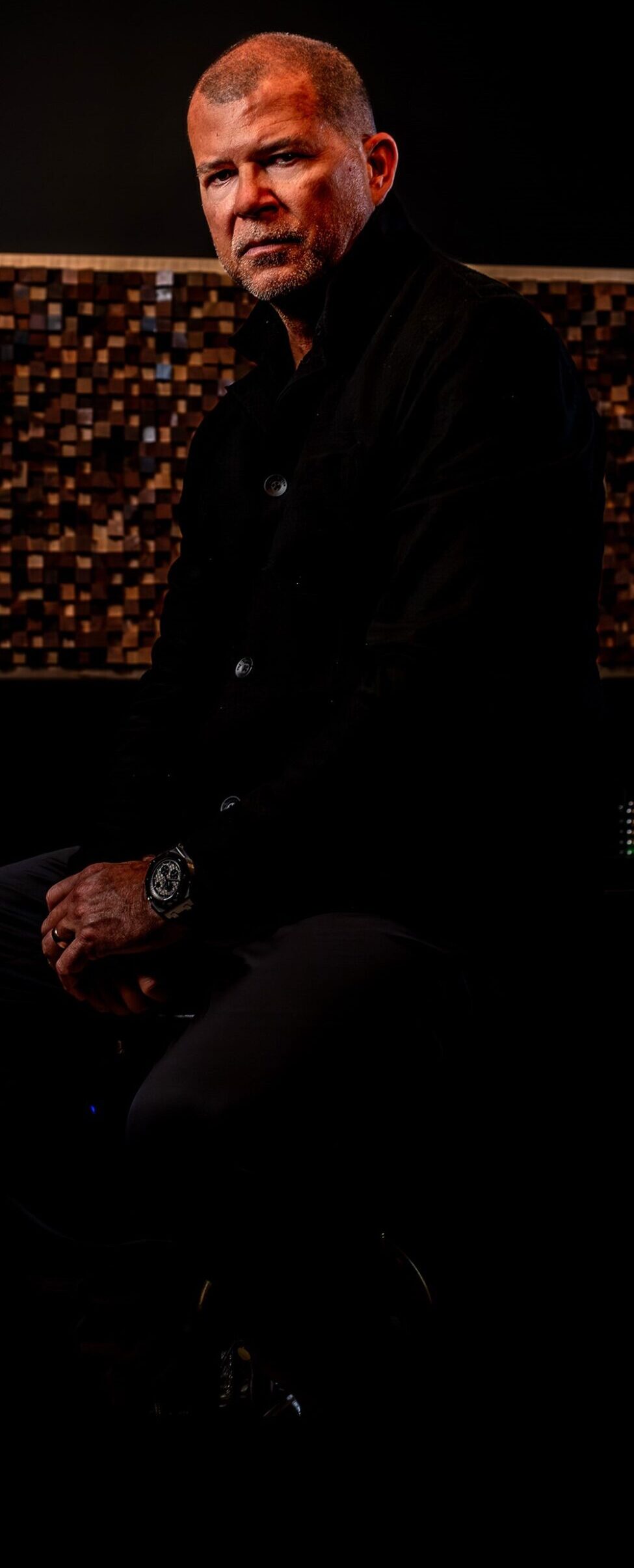

Michigan Title IX Attorney: Defense for Students, Faculty, and Staff
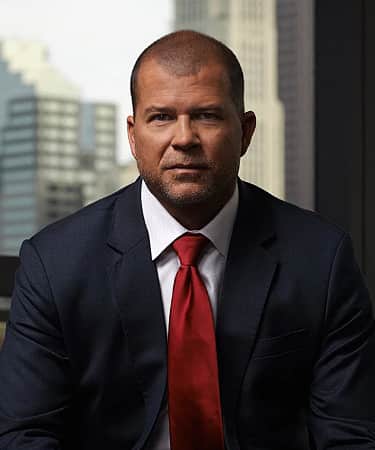
Experienced Title IX defense for students, faculty and staff at Michigan universities. Former prosecutor. Hundreds of sex crime cases handled.
A Title IX notice from a Michigan university can put your education, your career, and your reputation at risk before you fully understand what the school has alleged. The letter often arrives with little detail, a short deadline, and an invitation to meet with an investigator. What you do in those first days shapes the written record that everything else in the case is built on.
Mark Wieczorek is a Title IX defense attorney who works with students, faculty, and staff facing sexual misconduct allegations in university proceedings across Michigan. He helps clients prepare for interviews, analyze the evidence file, respond to investigation reports, and handle the questioning permitted at campus hearings. Every university runs its own version of this process, so the first job is always to identify which policy governs, what the notice actually alleges, and what has to happen before you give a detailed statement.
What to Do After Receiving a Michigan University Title IX Notice
Start by preserving everything. That means the notice itself, emails, text messages, photographs, social media records, location data, and the names of anyone who may have seen or heard something relevant. Screenshots are useful, but the original messages matter more, and some platforms delete content on their own schedule.
Do not contact the complainant to explain, apologize, or smooth things over. A message meant to calm the situation is routinely characterized later as retaliation, intimidation, or an admission, and a well-intentioned apology can become the strongest piece of evidence against you. If there is a no-contact directive in place, follow it exactly, including indirect contact through friends or social media.
Read the notice closely before you meet with anyone. It should identify the conduct at issue and the policy provisions the university may apply. Compare every stated deadline against the current published policy, because those dates drive the entire process. If the allegation could also draw the attention of police, the campus response has to be coordinated with a criminal defense strategy before any interview happens.
How Title IX Investigations Work at Michigan Universities
Most formal university processes begin with written notice of the allegations, followed by interviews and evidence collection. An investigator typically speaks with the complainant, the respondent, and any witnesses, then compiles the relevant material into an evidence file or an investigation report. The parties are commonly given a window to review that material and respond before a decision is made or a hearing is scheduled.
The details vary more than most people expect. A Michigan State University matter does not necessarily follow the same sequence as a University of Michigan, Wayne State, or private university case. The institution’s current policy, the status of the parties, and the type of alleged conduct all determine which procedure applies and what protections come with it.
The federal framework matters as well. The 2024 Title IX rule was vacated nationwide on January 9, 2025, and the U.S. Department of Education has stated that it is enforcing the 2020 Title IX regulations. Universities continue to revise their procedures as federal litigation and agency guidance change, so the operative policy should be confirmed at the start of every case rather than assumed from a prior year.
Due Process Protections at Michigan Public Universities
Michigan sits within the Sixth Circuit, and two decisions are especially important when a public university case turns on who is telling the truth.
In Doe v. Baum, the Sixth Circuit held that a public university must provide some form of cross-examination when credibility is at issue. The court explained that questioning is what exposes inconsistencies and gives the decision-maker a real basis for choosing between competing accounts.
In Doe v. Michigan State University, the court clarified that this right does not require unlimited questioning. A university may impose reasonable limits on how questions are asked while still providing the meaningful opportunity that due process demands.
These constitutional protections apply to public institutions. A private university’s obligations generally arise from Title IX itself, from the policies it has published, and from contractual principles rather than constitutional due process. Building the defense on the correct framework from day one is what keeps a respondent from arguing for a protection the school was never obligated to provide.
Call (513) 540-0450 – Free Consultation
What a Title IX Advisor Actually Does in a Michigan Case
Michigan university policies commonly permit each party to have an advisor of choice, and those policies frequently state that the advisor may be an attorney. What the advisor is permitted to do comes from the university process itself and is defined by the institution’s rules.
Western Michigan University’s current policy is a useful illustration. It permits an advisor of choice, states that the advisor may be an attorney, asks the advisor to remain silent during investigative meetings, and assigns the advisor to ask questions if the case reaches a hearing. Other Michigan institutions define the role differently, which is one more reason the governing policy has to be read before anyone commits to a strategy.
Within that role, Mark’s work is practical and specific: preparing the client for what the investigator is likely to ask, reviewing the evidence file for what is missing as much as for what is there, identifying procedural problems while they can still be corrected, developing the questions that will be asked at a hearing, and coordinating the campus case with any parallel criminal exposure.
Title IX Defense at Michigan Colleges and Universities
The Wieczorek Law Firm maintains dedicated resources for six Michigan institutions. Each page addresses that university’s policies, its hearing structure, and the issues that come up most often on that campus.
- University of Michigan Title IX defense lawyer
- Michigan State University Title IX defense
- Wayne State University Title IX defense
- Western Michigan University Title IX defense
- Grand Valley State University Title IX defense
- Oakland University Title IX defense
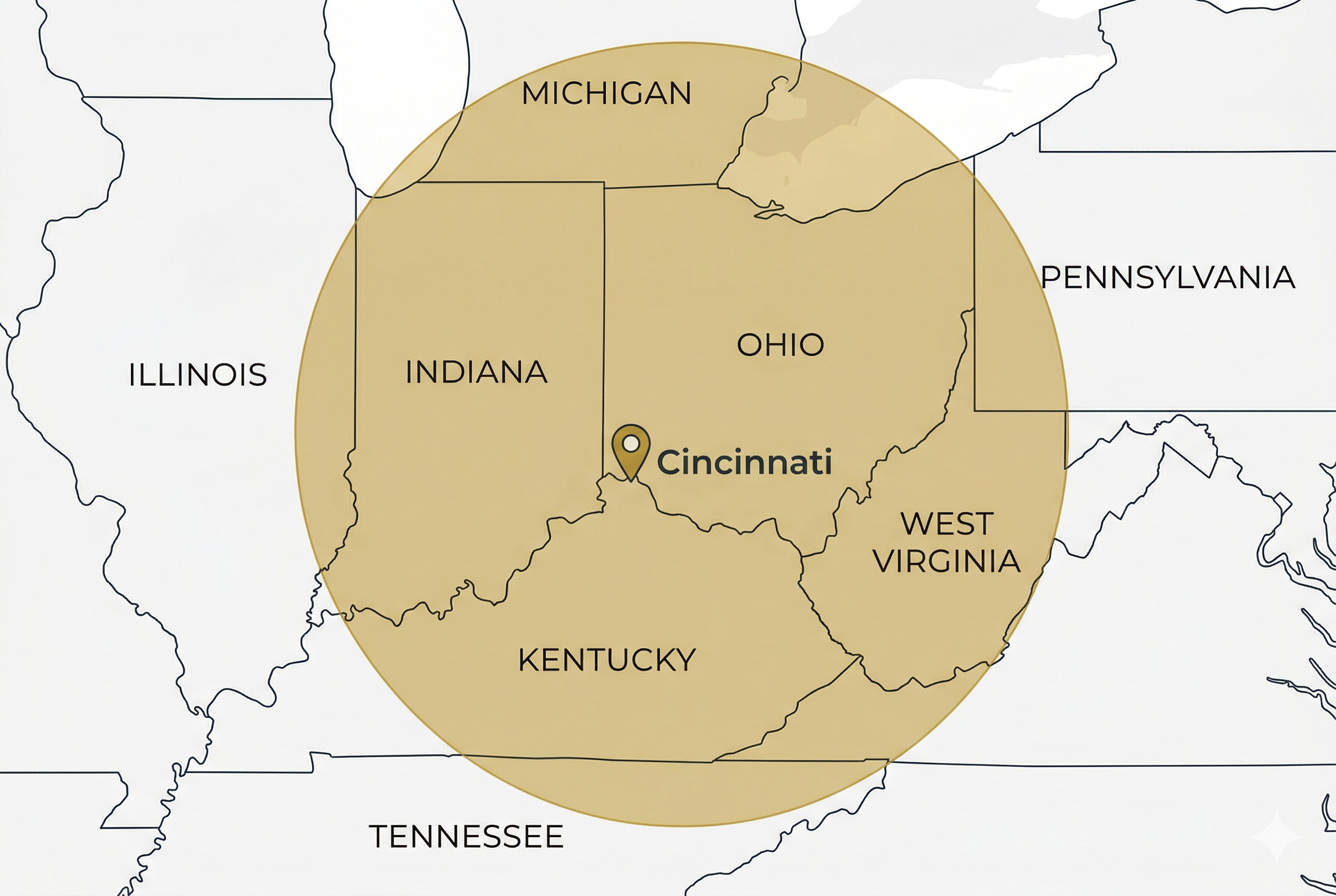
If your school is not listed, the process is still one Mark handles regularly. For the broader regional practice, review the firm’s Title IX defense practice for students, faculty, and coaches across the Midwest.
When a Campus Case and a Criminal Investigation Overlap
A university and law enforcement can investigate the same allegation at the same time, and the two processes do not wait for each other. The campus case often moves faster and decides the question under a lower standard of proof. Police and prosecutors may later seek statements, messages, or other evidence that was developed during the university proceeding.
This is where a former prosecutor’s perspective changes the analysis. Mark evaluates both tracks together, looking at what the university is requesting, what a given response could reveal, and how the developing record might be used if criminal charges follow. Many attorneys handle one side or the other. Handling them as a single coordinated problem, from the first interview through any hearing or appeal, is what protects a client who is exposed on both fronts at once.
What Is at Stake in a Michigan Title IX Case
Universities often put interim measures in place long before anyone decides whether the allegation is true. Those measures can include a no-contact directive, a housing relocation, a schedule change, removal from a team or a leadership position, restricted access to parts of campus, or in some matters an interim suspension. For an employee, the equivalent can be paid or unpaid leave, reassignment, or removal from teaching and supervisory duties while the case is open.
The longer-term consequences are what most people underestimate. A responsibility finding can lead to suspension or permanent separation from the institution, and many universities record disciplinary outcomes on a transcript or disclose them in response to a routine dean’s certification. That record follows a student into graduate school applications, professional licensing boards, and background checks. For faculty and staff, a finding can affect tenure, promotion, research funding, and the ability to be hired elsewhere in higher education.
Immigration status adds another layer for international students, because a suspension can disrupt full-time enrollment requirements. None of this means a case is lost at the outset. It does mean the response has to be built with the full range of consequences in view rather than treated as a campus formality that will resolve itself.
How Mark Wieczorek Prepares a Michigan Title IX Defense
- Policy and notice review. Identify the governing procedure, the specific allegations, the deadlines, and the sanctions actually on the table.
- Evidence preservation. Secure messages, digital records, documents, and witness information before they disappear or are overwritten.
- Interview preparation. Build a reliable chronology and prepare for the factual and credibility issues the investigator is likely to test.
- Evidence and report response. Identify omissions, contradictions, and procedural defects, then prepare the written response the policy permits.
- Hearing preparation. Develop relevant questions, organize exhibits, and prepare the client for that institution’s specific hearing format.
- Appeal preservation. Build the record needed to challenge procedural error, bias, or an unsupported finding when the policy allows an appeal.
Mark is a former Hamilton County prosecutor who has handled more than 200 sex-crime-related matters across prosecution, criminal defense, and Title IX representation, and he has trained law enforcement on sexual assault investigations. That background informs how he reads witness accounts, where he looks for gaps in an evidence file, and how he weighs the risk created by a parallel criminal case.
Mark Wieczorek’s Title IX Case Results
Below are real Title IX matters Mark has defended across the Midwest, for students and faculty facing the same kind of allegations you’re navigating right now. They’re a look at what’s possible when the defense is built right from day one.
- University of Dayton, faculty respondent. Represented a tenured professor in a Title IX matter. Case dismissed. Tenure retained.
- University of Cincinnati, student respondent. Represented an undergraduate accused of sexual misconduct. Found not responsible after full ARC hearing.
- University of Cincinnati, student respondent. Represented an undergraduate in a separate Title IX matter. Charges dismissed during investigation phase.
- Miami University, fraternity matter. Represented an individual charged with Title IX sexual assault and hazing as part of a fraternity matter where over 20 individuals faced charges. Following full hearing, client found not individually responsible and all felony charges dismissed.
Disclaimer: The above case results are not a guarantee, warranty, or prediction regarding the outcome of your case. Past results afford no guarantee of future results. Every case is different and must be judged on its own merits.
Frequently Asked Questions
Can I bring an attorney to a Title IX proceeding at a Michigan university?
Many Michigan universities permit each party to select an advisor of choice, and their published policies commonly allow that advisor to be an attorney. What the advisor is permitted to do varies by school and by stage of the process. Some policies ask the advisor to stay silent during investigative meetings but assign the advisor to ask questions at a live hearing. Review the institution’s current policy before the first meeting so the role is clear from the start.
What Title IX rules currently apply at Michigan universities?
The 2024 federal Title IX rule was vacated nationwide on January 9, 2025. The U.S. Department of Education has stated that it is enforcing the 2020 Title IX regulations. A university’s own current policy determines how that federal framework is applied in a particular campus case, which is why the operative policy should be identified at the beginning of every matter.
Do Michigan public universities have to provide cross-examination in Title IX cases?
Sixth Circuit decisions provide meaningful due process protections at public universities. In Doe v. Baum, the court held that a public university case turning on credibility requires some form of cross-examination. Doe v. Michigan State University later clarified that the questioning may be reasonably limited. The protection that applies and the procedure that follows depend on the facts and the institution’s governing policy.
Should I speak with the investigator before choosing an advisor?
Review the notice, the allegations, the applicable policy, and the deadlines before giving a detailed statement. Early statements shape the investigation report and can affect a related criminal matter. An experienced Title IX advisor can help prepare the timeline, preserve evidence, and identify the issues that need to be addressed before an interview takes place.
Can a Michigan university Title IX case lead to criminal charges?
A campus proceeding and a criminal investigation can arise from the same allegation. They use different rules and may move on different timelines, but statements and evidence developed in one process can affect the other. The defense strategy should account for both tracks from the beginning rather than treating the campus case in isolation.
How quickly do I need to act after receiving a Title IX notice?
University timelines move quickly and many policies set short windows for responding to a notice, reviewing evidence, or requesting a hearing. Evidence such as messages and location data can also become harder to recover over time. The safest approach is to preserve everything immediately and get the notice reviewed before the first interview is scheduled.
Contact a Michigan Title IX Lawyer
Time matters once a university sends notice of an investigation or a hearing. Mark Wieczorek will review the situation with you, explain the deadlines that are coming, and identify the steps needed to protect the record while there is still time to shape it. The initial consultation is free and confidential.