
Grand Valley State University Title IX Attorney: Defense for Students and Faculty
Experienced Title IX defense for Grand Valley State students and faculty. Former prosecutor. Hundreds of sex crime cases handled.
Call (513) 540-0450 – Free Consultation
A Title IX notice from Grand Valley State University is frightening, and the fear is justified. A single accusation of sexual misconduct can put your degree, your record, and your future in the hands of a campus process that moves quickly and was not designed to protect you. If you are a GVSU student, faculty member, or staff member who has been accused, the most important decision you make is who stands beside you, and you should make it before you say a word to an investigator.
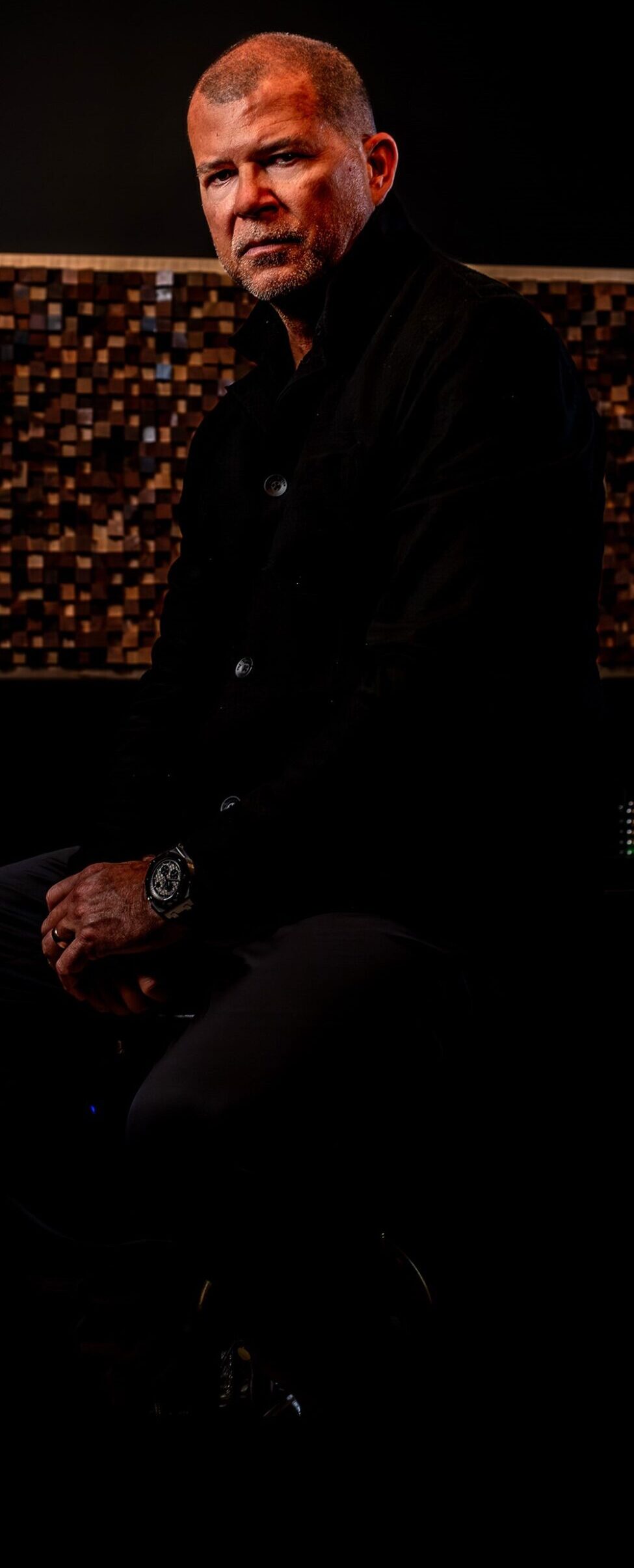
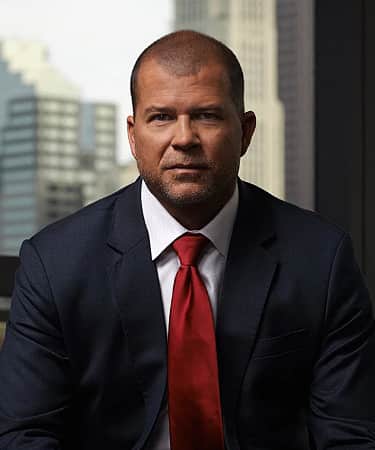
Mark Wieczorek is a Title IX defense attorney and former Hamilton County prosecutor who has handled more than 200 sex crime related matters across prosecutorial, criminal defense, and Title IX representation. He has trained law enforcement on how sexual assault cases are investigated, which means he knows exactly how these cases are built and, just as importantly, how they are taken apart. That insight is what an accused respondent at Grand Valley State needs from day one.
How Grand Valley State’s Title IX Process Works
Grand Valley State handles sexual misconduct complaints through its Office of Civil Rights and Title IX under the university’s Policy Prohibiting Discrimination, Harassment, and Misconduct. After a complaint, an investigator interviews the parties and witnesses and gathers evidence. Both the complainant and the respondent are given the chance to review that evidence and the investigation report before the matter proceeds. If the complaint is not resolved informally or dismissed, it goes to a live hearing before the university’s Resolution Pool of decision-makers.
At the live hearing, each party is entitled to an advisor of choice, and that advisor may be an attorney. The advisor conducts cross-examination of the other party and witnesses, and a party may never cross-examine personally. This is not a formality. At Grand Valley State, the decision-makers cannot rely on a statement from any party or witness who refuses to submit to cross-examination at the hearing, which puts the cross-examination at the center of the case. A Grand Valley State Title IX lawyer serving in that advisor role brings courtroom cross-examination skill to a process that rewards it.
Why Grand Valley State Title IX Cases Are Different
Grand Valley State decides these cases under the preponderance of the evidence standard. The Resolution Pool only has to conclude that a violation was more likely than not, a far lower threshold than the beyond a reasonable doubt standard that governs criminal court. A respondent can lose a degree on contested facts and a single disputed account, and because the panel cannot consider statements from witnesses who avoid cross-examination, the advisor who handles that questioning often shapes the entire evidentiary record.
Allendale sits in west Michigan, and any related federal litigation falls within the Western District of Michigan and the Sixth Circuit, the same courts whose decisions shape how universities across the region run their Title IX procedures. Mark builds the defense with the campus hearing and any parallel criminal exposure in view at the same time. A Grand Valley State Title IX attorney who understands both tracks protects you in ways a campus advisor cannot.
Call (513) 540-0450 – Free Consultation
What Is at Stake in a Grand Valley State Title IX Case
A finding of responsibility at Grand Valley State can mean suspension or expulsion, and it can attach a notation to your transcript that follows you to graduate programs and employers. For faculty and staff, the exposure extends to your position and your professional standing. Sexual misconduct allegations also frequently run alongside a criminal investigation, and statements made in the campus process without counsel can surface in that criminal case. Treating a Title IX matter as a campus formality is the mistake that closes the door on the strongest defenses before they can be raised.
The window to shape the outcome is early. Procedural protections that are missed during the investigation become either a defense at the hearing or a basis for appeal, and the record that supports them has to be built while the case is still open. Once evidence review closes, options narrow quickly.
What to Do If You Have Been Accused at Grand Valley State
The first hours after a Title IX notice matter more than most respondents realize. A few decisions made early often determine how much room a defense has later.
- Do not contact the complainant. Any message, in person or online, can be read as retaliation or intimidation and can become a separate charge. Have no contact, even to apologize or explain.
- Do not give a statement before you have counsel. You are not required to explain your side to an investigator on their schedule. What feels like a helpful clarification can read as an admission in a written report.
- Preserve everything. Texts, messages, photos, location data, and the names of anyone who can speak to the timeline. Evidence that helps you can disappear quickly.
- Write down what happened while it is fresh, for your attorney only, not for the university.
- Call a Title IX defense attorney before the first interview. The earlier counsel is involved, the more of the process can be used in your favor.
Parallel Criminal Charges and Your Grand Valley State Title IX Case
Title IX allegations of sexual assault are frequently reported to law enforcement as well, which means a Grand Valley State respondent can be fighting a campus disciplinary case and a criminal investigation at the same time. The two proceedings run on different rules and different timelines, but they are connected in a way that can hurt you if they are handled separately. Statements you give in the Title IX process can be subpoenaed and used by police and prosecutors.
This is where Mark’s background is decisive. He spent years as a Hamilton County prosecutor and has defended hundreds of criminal matters, so he understands how a sex crime case is charged and tried as well as how a campus hearing is run. He coordinates both defenses from the start, making sure that nothing said to satisfy the university hands the prosecution a weapon. A Grand Valley State Title IX lawyer who does not also practice criminal defense cannot see that whole board.
How Mark Wieczorek Builds a Grand Valley State Title IX Defense
An effective defense is built deliberately, stage by stage, not improvised at the hearing.
- Investigation. Mark reviews the notice and the policy provisions invoked, calculates the deadlines that bind the university, and prepares you for every interview with cross-examination practice and document review.
- Evidence review. He reads the investigation file for procedural defects and inconsistencies the investigator missed and drafts a written response that preserves every objection.
- The live hearing. He cross-examines the complainant and adverse witnesses using skills developed in actual trials, challenging credibility and exposing gaps in the account before the Resolution Pool.
- Appeal and aftermath. He preserves the record for appeal throughout and coordinates with any parallel criminal counsel so the two cases never work against each other.
Each stage builds on the one before it, which is why the defense has to start before the first interview rather than after a finding has already been entered.
Mark Wieczorek’s Title IX Case Results
Below are real Title IX matters Mark has defended across the Midwest, for students and faculty facing the same kind of allegations you’re navigating right now. They’re a look at what’s possible when the defense is built right from day one.
- University of Dayton, faculty respondent. Represented a tenured professor in a Title IX matter. Case dismissed. Tenure retained.
- University of Cincinnati, student respondent. Represented an undergraduate accused of sexual misconduct. Found not responsible after full ARC hearing.
- University of Cincinnati, student respondent. Represented an undergraduate in a separate Title IX matter. Charges dismissed during investigation phase.
- Miami University, fraternity matter. Represented an individual charged with Title IX sexual assault and hazing as part of a fraternity matter where over 20 individuals faced charges. Following full hearing, client found not individually responsible and all felony charges dismissed.
Disclaimer: The above case results are not a guarantee, warranty, or prediction regarding the outcome of your case. Past results afford no guarantee of future results. Every case is different and must be judged on its own merits.
Frequently Asked Questions
Can I bring a lawyer to a Title IX hearing at Grand Valley State University?
Yes. Grand Valley State University permits every party to have an advisor of choice, and that advisor can be an attorney. At the live hearing before the Resolution Pool, your advisor, not you personally, conducts cross-examination of the other party and witnesses. Choosing an experienced Title IX attorney as that advisor puts someone who knows how to question a witness and preserve objections in the role that often decides the case.
What happens during a Grand Valley State Title IX investigation?
After a complaint under GVSU’s Policy Prohibiting Discrimination, Harassment, and Misconduct, the Office of Civil Rights and Title IX assigns an investigator who interviews the parties and witnesses and gathers evidence. Both parties review the evidence and the investigation report before the matter goes to a live hearing. The statements you give early in this process shape everything that follows, which is why counsel should be involved before the first interview.
Why does cross-examination matter so much at a GVSU Title IX hearing?
At Grand Valley State, the decision-makers cannot rely on a statement from any party or witness who refuses to submit to cross-examination at the live hearing. That makes the cross-examination itself the heart of the case. An advisor who can expose inconsistencies and challenge credibility can change what evidence the panel is even allowed to consider. An untrained advisor reading scripted questions cannot.
What is the standard of evidence at a Grand Valley State Title IX hearing?
Grand Valley State decides Title IX cases under the preponderance of the evidence standard, meaning the decision-makers only need to find it more likely than not that a violation occurred. That is a far lower bar than the criminal standard of beyond a reasonable doubt, and it is why a respondent can face career-altering sanctions on contested facts. Building the record carefully from the start is essential.
What sanctions can a Grand Valley State student face for a Title IX violation?
Sanctions range from disciplinary probation to suspension and expulsion, and a finding of responsibility can carry a transcript notation that follows a student to graduate school and employment. For faculty and staff, the exposure includes loss of position and professional reputation. Because the consequences reach well beyond campus, a Title IX matter at Grand Valley State should be treated with the same seriousness as a criminal charge.
Should I talk to the Title IX office before I hire a lawyer?
Speak with a Title IX defense attorney first. Statements made to investigators without counsel can be used against you in the campus proceeding and, in many cases, can be subpoenaed for a parallel criminal investigation. An attorney prepares you for every interview, identifies procedural problems as they happen, and protects you from saying something that feels harmless in conversation but reads as an admission in a written report months later.
How long does a Title IX case take at Grand Valley State?
Timelines vary, but a formal Title IX matter at Grand Valley State commonly runs several weeks to a few months from complaint through investigation, evidence review, the live hearing, and any appeal. The early weeks carry the most weight. Procedural objections and exculpatory evidence have to be raised while the investigation is open, so the sooner counsel is involved, the more of the timeline can be used to your advantage.
I am a Grand Valley State faculty or staff member accused of misconduct. Can you help?
Yes. Mark represents faculty and staff respondents as well as students. The stakes for an employee, including loss of position, tenure, and professional reputation, are just as serious, and the process moves through the same Office of Civil Rights and Title IX. Mark has secured a dismissal for a tenured professor in a Title IX matter, with full tenure and pension retained.
Title IX Defense at Other Midwest Universities
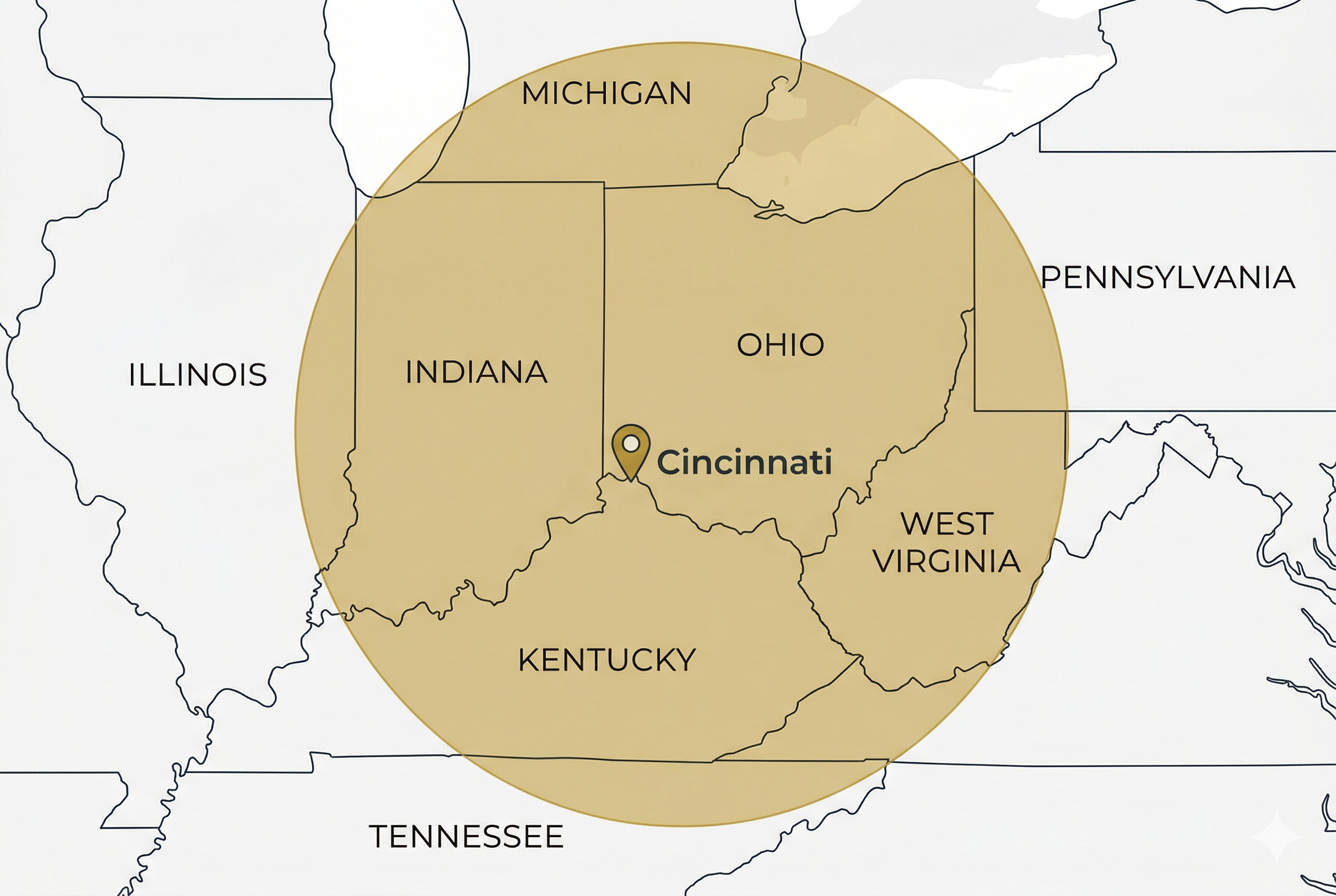
Mark Wieczorek defends Title IX matters across the Midwest as part of his Title IX defense practice. Related practice areas at other universities: University of Michigan Title IX defense, Michigan State University Title IX defense, Wayne State University Title IX defense, University of Cincinnati Title IX defense, Ohio State University Title IX defense, Indiana University Title IX defense, Purdue University Title IX defense, University of Illinois Title IX defense, Notre Dame Title IX defense, Vanderbilt University Title IX defense.
Contact a Grand Valley State Title IX Lawyer
If you have been accused of sexual misconduct at Grand Valley State University, the time to act is now, before the first interview and before the record hardens against you. Mark Wieczorek will speak with you personally about your case at no cost, explain exactly what you are facing, and tell you what an effective defense looks like. The call is confidential.