
University of Chicago Title IX Attorney: Defense for Students, Faculty, and Staff
Experienced Title IX defense for University of Chicago students, faculty, and staff. Former prosecutor. Hundreds of sex crime cases handled.
Call (513) 540-0450 – Free Consultation
If you are a University of Chicago student, faculty member, or graduate or professional student facing a Title IX complaint, the next ninety days will move faster than you expect. Hiring a University of Chicago Title IX attorney early is the single biggest factor in how the case unfolds. UChicago’s Office of Equal Opportunity Programs will assign an investigator within days of the formal complaint. You will be summoned to interviews. You will be given the opportunity to inspect the evidence and submit a written response of up to ten business days before the investigative report is finalized, and the report itself will be shared no less than ten business days before the live hearing convenes. Then a five-member Title IX Hearing Panel will rule on responsibility and sanction in a live hearing where only your advisor (not you) may ask questions of the complainant and the witnesses.
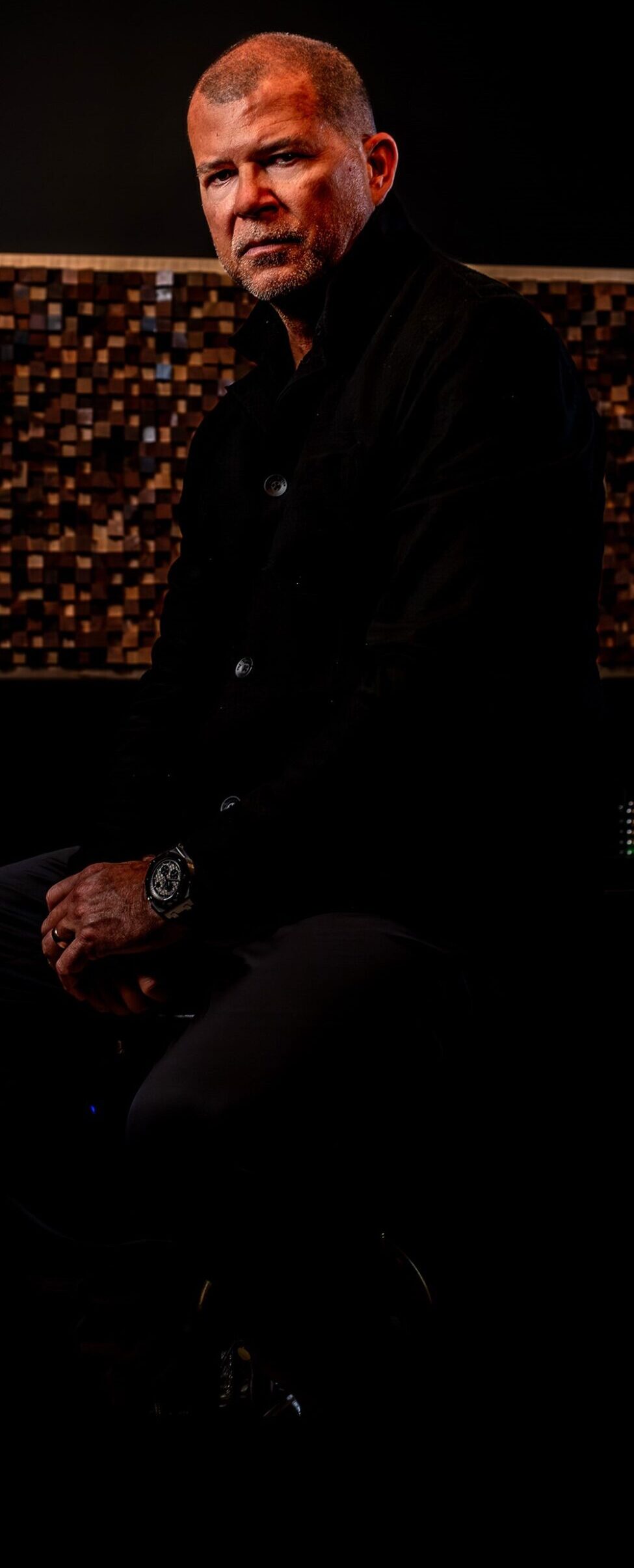
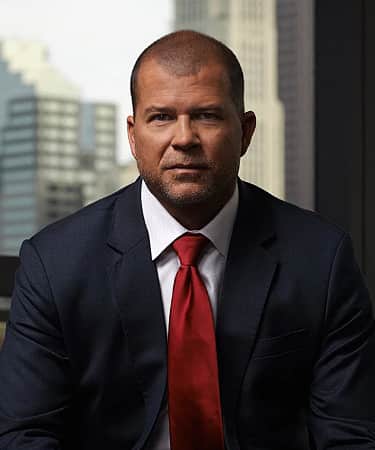
Mark Wieczorek is a former Hamilton County prosecutor who defends students, faculty, and coaches accused of sexual misconduct at Midwest universities, including the University of Chicago. As a University of Chicago Title IX lawyer, his job is to put the same procedural pressure on the Office of Equal Opportunity Programs that the office’s own investigators put on you, and to do it before the Title IX Hearing Panel is seated, not after.
There is one thing about University of Chicago’s Title IX process that is true at no other peer school in the Big Ten, the SEC, or the broader 7th Circuit cluster, and most respondents and most parents calling about a UChicago matter have never been told: the University of Chicago Title IX Hearing Panel includes a student peer Decisionmaker and a separate Decisionmaker on Relevance who may be someone external to the University community. A UChicago respondent walks into the hearing room facing two faculty Decisionmakers, one student peer, one staff Decisionmaker, and one Decisionmaker on Relevance whose authority over the cross-examination is built into the procedural rules. We will get to what that means for your defense below. It is the most important procedural fact a University of Chicago respondent can know walking into the process, and it shapes every strategic decision an experienced Title IX attorney will make on your behalf.
The University of Chicago’s Title IX Process Runs on the Policy on Title IX Sexual Harassment
The University of Chicago Policy on Title IX Sexual Harassment, administered by the Office of Equal Opportunity Programs, controls every Title IX matter at UChicago. The policy applies to all students, faculty, other academic appointees, postdoctoral researchers, staff, affiliates, and others participating in University of Chicago education programs and activities. The policy operates alongside the Formal Resolution Process for Title IX Sexual Harassment published in the Student Manual, the Faculty Handbook, and the Postdoctoral Researcher Policy Manual, with the controlling procedural document varying by the role of the respondent.
The Office of Equal Opportunity Programs, located in the Office of the Provost at 6030 South Ellis Avenue, Chicago, Illinois 60637, administers the Title IX process. Reports can be filed by phone at (773) 702-5671, by email at bcollier@uchicago.edu, or through the Office’s online reporting portal at equalopportunityprograms.uchicago.edu. Bridget Collier serves as Associate Provost for Equal Opportunity Programs, Title IX Coordinator, Affirmative Action Officer, and Section 504 and ADA Coordinator for the University. The unified administrative structure means policy interpretation, jurisdiction, and procedure questions all run through the same office and the same coordinator role.
The Investigation Phase
Once a Formal Title IX Complaint is filed, the Office of Equal Opportunity Programs provides written notice and assigns one or more investigators. The University of Chicago’s published procedures target completion of the Investigative and Hearing Body Resolution Process within sixty to ninety days of receipt of the Formal Title IX Complaint, with extensions available on a good cause showing. Within that window, the investigator interviews both parties, identifies and interviews witnesses each party proposes, gathers documentary evidence (text messages, emails, social media records, surveillance footage, third-party witness statements), and produces an investigative report.
Both parties have the opportunity to inspect the evidence and submit a written response of at least ten business days before the investigative report is finalized. The final investigative report is then shared with the parties no less than ten business days prior to the live hearing. The advisor may help build that response, may attend every interview alongside the party, and may consult with the party in writing throughout. The advisor cannot ask questions in lieu of the party at the investigation interview, but the advisor can do every other thing an experienced Title IX attorney does during a federal investigation: prepare the party for interviews, build documentary records, identify witness blind spots in the investigator’s draft, and preserve procedural objections on the record.
A University of Chicago respondent who retains experienced counsel before the investigation closes has weeks to shape the record. A University of Chicago respondent who waits until after the investigative report issues has days to react. The investigation phase is where most Title IX cases at UChicago are won or lost.
The Five-Member Title IX Hearing Panel
The University of Chicago Title IX Hearing Panel is the procedural anchor that distinguishes UChicago from every peer school in the cluster. For a matter involving a student respondent, the Panel is composed of five Decisionmakers: two faculty members (one of whom serves as chair), one student Decisionmaker, one staff Decisionmaker, and one Decisionmaker on Relevance. For a matter involving a staff respondent, the Panel is composed of three Decisionmakers: two staff members (one as chair) and one Decisionmaker on Relevance.
The Decisionmaker on Relevance is the role most University of Chicago respondents have never been told about. That Decisionmaker rules on relevance objections during the hearing, which means real-time control over which cross-examination questions the witnesses must answer and which get blocked. UChicago expressly permits the Decisionmaker on Relevance to be a person external to the University of Chicago community. The Decisionmaker on Relevance is not a member of the responsibility-and-sanction deliberation; that authority rests with the four internal Decisionmakers. The procedural effect is real: a UChicago hearing is governed by five seated authorities, one of whom may have no UChicago institutional affiliation and is empowered to gatekeep the cross.
For the respondent, this means three strategic objectives in a single live hearing. First, plan the cross-examination question by question with relevance theory built in, anticipating how an external Decisionmaker on Relevance who has not lived inside UChicago’s institutional culture is likely to rule. Second, persuade the four internal Decisionmakers (two faculty, one student, one staff) on the responsibility question under the preponderance standard. Third, build the sanction record knowing that the same Decisionmakers who rule on responsibility also rule on sanction. There is no sanction-only panel at UChicago. The same five seats decide both.
Compare this to peer schools where Mark practices. Northwestern uses a hybrid single-Decision-Maker on responsibility plus separate three-person UHAS Sanctioning Panel. Indiana University uses a three-person panel. Notre Dame convenes a three-member Hearing Board. Ball State uses a single Hearing Officer. Wayne State leaves decision-maker structure to administrative discretion at the time of the hearing. UChicago is the only cluster member that seats five Decisionmakers, including a student peer and an external Decisionmaker on Relevance.
Cross-Examination by Advisor Only at the Live Hearing
At the live hearing, the University of Chicago Policy follows the federal cross-examination model. Cross-examination is conducted by the party’s advisor of choice and never by a party personally. A party who walks into the hearing without experienced counsel is a party whose credibility-determinative questions never get asked, because UChicago’s Policy assigns the cross to the advisor and does not allow the party to step into that role.
The Decisionmaker on Relevance rules on each cross-examination question’s relevance before the witness answers. Parties and advisors may not challenge those relevance rulings during the hearing. Open-ended questions that lack relevance grounding get blocked. Compound questions get blocked. Questions outside the scope of the investigative report get blocked. Cross-examination must be planned question by question, with relevance theory built in, before the hearing convenes. The fact that the Decisionmaker on Relevance may be external to the UChicago community adds a layer of strategic complexity that does not exist at peer schools: the relevance ruler may be a retired judge, a private practitioner, or another outside professional whose internal frame for relevance has been calibrated outside the institutional context.
The University of Chicago Policy also incorporates the federal rape shield protection: questions about a complainant’s sexual predisposition or prior sexual behavior are not relevant, except to prove that someone other than the respondent committed the alleged conduct or to prove prior consensual conduct between the respondent and the complainant. The Decisionmaker on Relevance enforces those exclusions.
At the conclusion of the evidence, the Panel may allow each party up to eight minutes to provide a closing statement. The closing-statement allowance is itself meaningful: it gives experienced counsel a brief window to frame the evidence and the procedural objections before the Panel deliberates. Eight minutes is shorter than peer schools without a cap. Every minute of that closing matters, and it has to be drafted before the hearing convenes.
Determination, Sanctions, and Review
After the live hearing, the Title IX Hearing Panel deliberates on responsibility under the preponderance standard and, for student matters where responsibility is found, on sanction. Sanctions for student respondents range from verbal and written warnings, advisory letters, conduct review, disciplinary holds, required training, and campus access restrictions through housing restrictions, no-contact orders, disciplinary suspension, expulsion, and degree revocation. For faculty respondents, sanctions can include written warning, training requirements, salary action, loss of teaching or supervisory responsibility, demotion, decrease in pay, suspension without pay, removal of tenure, and termination, subject to the Faculty Handbook process.
Within ten days of being informed in writing of the Title IX Hearing Panel’s decision, the complainant and the respondent may file a written request for review. The University of Chicago Policy on Title IX Sexual Harassment and the Formal Resolution Process recognize four bases for review:
1. Procedural irregularity that affected the outcome of the matter.
2. New evidence that was not reasonably available at the time the determination regarding responsibility or dismissal was made, that could affect the outcome of the matter.
3. The Title IX Coordinator, investigators, or decision makers had a conflict of interest or bias for or against complainants or respondents generally or the individual complainant or respondent that affected the outcome of the matter.
4. The sanction is disproportionate with the violation.
The Review Decisionmaker varies by respondent role. Review of complaints against students is conducted by the Dean of Students or designee. Review of complaints against faculty, postdoctoral researchers, or other academic appointees is conducted by the Provost or designee. Review of complaints against staff is conducted by the Associate Vice President for Human Resources or designee. The Review Decisionmaker cannot be the Title IX Coordinator, the Title IX Investigator, or the Decisionmaker assigned to the same Formal Title IX Complaint.
The fourth review ground, sanction disproportionate with the violation, is the cleanest review entry point at UChicago. A respondent who accepts the responsibility determination but contests the sanction has a defined, narrow argument that survives the procedural-deference posture review typically receives at the Provost or Dean level.
Call (513) 540-0450 – Free Consultation
UChicago’s Layered Compliance Framework: Title IX, VAWA, and the Illinois Preventing Sexual Violence in Higher Education Act
The University of Chicago’s posture toward Title IX compliance is shaped by Illinois state law in a way that distinguishes it from peer universities outside Illinois. UChicago, like every Illinois college and university, operates under the Illinois Preventing Sexual Violence in Higher Education Act, codified at 110 ILCS 155, in addition to federal Title IX and the federal Violence Against Women Reauthorization Act. Most peer university Title IX policies in the Midwest commit only to Title IX and VAWA. UChicago operates under a three-statute framework.
The Illinois Preventing Sexual Violence in Higher Education Act imposes additional procedural and substantive duties on Illinois colleges and universities beyond what federal Title IX requires. Among those duties: the Act requires Illinois institutions to adopt a comprehensive policy concerning sexual violence, domestic violence, dating violence, and stalking; to maintain confidentiality protections for survivors; to provide training to staff who interact with survivors; and to use the preponderance of the evidence standard at adjudication. The Act also imposes reporting obligations on Illinois institutions to the Illinois Department of Human Rights.
A respondent at the University of Chicago today inherits the procedural consequences of that three-statute framework. The Office of Equal Opportunity Programs is federally and state-monitored for compliance with all three statutes. That posture cuts in two directions for the respondent. On one hand, it disciplines visible procedural irregularity by Office staff, because compliance is monitored. On the other hand, it raises the visibility of the procedural decisions the Office makes during a respondent’s case, and respondents who push back on the process should expect the Office’s response to be calibrated to the statutory compliance overlay. An experienced University of Chicago Title IX attorney calibrates the procedural pressure to the institutional posture, preserving the respondent’s review and federal-court record without inviting an institutional overcorrection.
There is also the matter of federal Title IX-respondent jurisprudence in the Seventh Circuit. There is no published Seventh Circuit Doe v. UChicago Title IX wrongful-discipline opinion as of 2026. The binding Seventh Circuit authority on Title IX-respondent procedural rights, Doe v. Purdue University, was decided against a peer 7th Circuit Big Ten public, and applies to the University of Chicago by force of circuit precedent regardless. A UChicago respondent today inherits the procedural protection of Doe v. Purdue without having been the subject of test litigation themselves.
The Seventh Circuit’s Due Process Standard at the University of Chicago
The University of Chicago sits in Cook County, Illinois, federal venue for the United States District Court for the Northern District of Illinois, Eastern Division (Chicago), and appellate venue for the United States Court of Appeals for the Seventh Circuit. The controlling Seventh Circuit Title IX-respondent opinion is Doe v. Purdue University, 928 F.3d 652 (7th Cir. 2019). Doe v. Purdue arose at a peer Big Ten public university and is persuasive on every Seventh Circuit university, public and private, including the University of Chicago.
The Seventh Circuit in Doe v. Purdue held that a Title IX-respondent plaintiff can survive a motion to dismiss by pleading facts that plausibly support an inference of sex-based bias in the disciplinary process. The court rejected the proposition that a respondent must plead direct evidence of bias to state a claim under Title IX’s anti-discrimination prong. The court also held that Purdue’s process, in which the Decision Maker failed to interview the complainant, failed to provide the respondent with a copy of the investigative report, and based the responsibility finding on credibility judgments without holding a live hearing, plausibly violated the respondent’s Fourteenth Amendment liberty interest in his reputation and his Title IX procedural rights. The opinion reinstated the John Doe plaintiff’s claims against Purdue.
Doe v. Purdue is the high-water mark of Seventh Circuit Title IX-respondent procedural authority. The opinion is cited routinely in Seventh Circuit district court Title IX-respondent opinions, including in cases arising at Loyola, DePaul, IIT, the University of Illinois at Chicago, the University of Illinois at Urbana-Champaign, Indiana University, the University of Notre Dame, Ball State, and Northwestern. Federal Title IX-respondent litigation against private Seventh Circuit universities like the University of Chicago proceeds under Title IX itself, breach of contract under the student handbook, and intentional infliction of emotional distress, rather than under the Fourteenth Amendment due process clause (which applies to public state actors but not to private institutions). The procedural reform Doe v. Purdue required is built into UChicago’s Policy on Title IX Sexual Harassment: written notice within days of opening an investigation, an evidence inspection window of at least ten business days, an investigative report shared with both parties at least ten business days before the hearing, and a live hearing with advisor-conducted cross-examination of all witnesses.
The federal claim against a private Seventh Circuit university like the University of Chicago arises if the Office of Equal Opportunity Programs fails to honor procedural protections in practice (an undisclosed bias, a relevance ruling that prevents cross-examination on a credibility-determinative point, an evidentiary withholding, a Decisionmaker who is not in fact neutral, a sanction that exceeds the proportionate range). Building the record for that federal claim is the work of the investigation phase, not the review phase. By review time the record is closed.
What Cross-Examination at the University of Chicago Looks Like When It Is Done Right
The advisor’s cross-examination at the University of Chicago Title IX hearing is the single most consequential moment in the entire process. The Decisionmaker on Relevance rules on each question’s relevance before the witness answers. Cross has to be planned question by question, with relevance theory built in, before the hearing convenes. Open-ended questions get blocked. Compound questions get blocked. Questions outside the scope of the investigative report get blocked. A skilled University of Chicago Title IX attorney prepares the cross-examination during the investigation phase, weeks before the hearing.
The strongest cross-examinations at University of Chicago Title IX hearings work on three axes. Credibility cross focuses on consistency between the complainant’s earlier statements (initial report, investigation interview, evidence-review submissions) and hearing testimony. Corroboration cross focuses on whether documentary or third-party evidence backs or undermines the complainant’s account, and whether the investigator’s report actually engaged that evidence. Process cross focuses on whether the Office of Equal Opportunity Programs investigator complied with UChicago’s own Policy and the federal Title IX regulations in gathering evidence, providing required notices, observing the sixty to ninety day investigation target, and interviewing witnesses.
A University of Chicago Title IX lawyer who has cross-examined under the federal advisor-only cross model knows how a trained Decisionmaker on Relevance reacts to certain question patterns, where the relevance line tends to fall, and which procedural objections move the needle. That experience compounds across cases. It is also the difference between a cross that builds a clean review record under review ground one (procedural irregularity) and a cross that does not.
Law School, Booth, Pritzker Medicine, Harris, and Other Professional Pipeline Respondents
A Title IX matter at the University of Chicago carries different consequences for different populations of UChicago students. For University of Chicago Law School students, a Title IX finding triggers character-and-fitness disclosure obligations to every state bar to which the student will eventually apply. The Illinois State Bar character-and-fitness application asks specifically about university disciplinary findings. Other state bars ask the same question. A finding of responsibility on a UChicago Title IX complaint, even a finding that does not result in suspension or expulsion, is a disclosable event that triggers a character-and-fitness investigation by every bar to which the student applies. The University of Chicago Law School is consistently ranked among the top six law schools nationally, and the population of respondents from that school is small, professionally exposed, and historically responsive to the gravity of the proceeding from the moment notice is delivered.
For Pritzker School of Medicine students, the same dynamic applies on the medical-licensure side. State medical licensure boards request and review university disciplinary findings as part of the licensure investigation. The American Association of Medical Colleges’ Medical Student Performance Evaluation, used in residency placement, includes professional and disciplinary information from the dean of students’ office. A Title IX finding in medical school can affect residency match outcomes, fellowship eligibility, and ultimately state medical licensure. The same dynamic applies for Pritzker MD/PhD, MD/MBA, and MD/MPH candidates whose degree path crosses two professional pipelines.
For Booth School of Business students, the consequences track a different but equally consequential path. Most Booth students hold post-MBA employment offers conditional on background checks, morality clauses, or character and fitness clauses. A Title IX finding can disrupt a consulting offer, a banking offer, a private equity offer, or a technology firm leadership track offer. Booth students should not assume that a finding short of expulsion is consequence-free outside the classroom.
For Harris School of Public Policy students entering federal, state, and local government roles, the disclosure exposure runs through background investigations conducted as part of the hiring and security-clearance process. For Crown Family School of Social Work students entering a licensed profession, the state social-work licensure board character review applies. For Divinity School and other professional graduate students, ordination, denominational standing, and academic faculty hiring all carry disclosure obligations.
A University of Chicago Title IX attorney representing a respondent in any of these professional pipeline programs is defending more than the immediate disciplinary outcome. The strategic objective is to control the record for the downstream professional consequence. The same procedural objections that preserve a federal-court record under Doe v. Purdue also produce the documentary record that a state bar character-and-fitness committee, a medical licensure board, a residency program, or a security-clearance investigator will read years later. Mark’s defense strategy at UChicago accounts for both timelines.
Why a Cincinnati-Based Title IX Attorney for a University of Chicago Matter
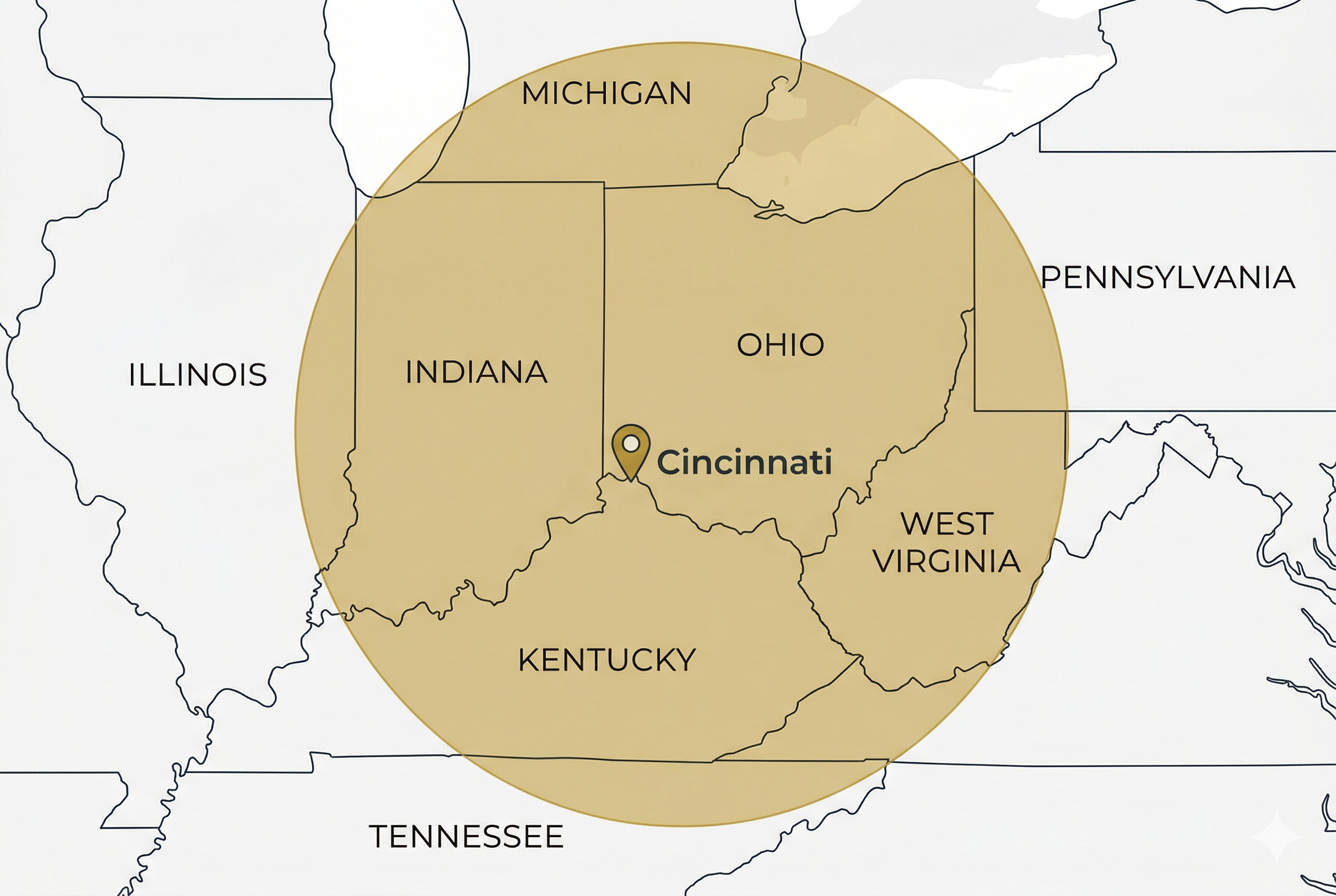
Mark Wieczorek practices Title IX defense across the Midwest from his Cincinnati office. The University of Chicago campus is roughly three hundred miles northwest, a five-hour drive Mark and his investigative team make regularly for Seventh Circuit and Sixth Circuit Title IX matters at the University of Chicago, Northwestern, the University of Illinois, Indiana University, Purdue, the University of Notre Dame, Ball State, the University of Cincinnati, Ohio State, the University of Michigan, and Michigan State. Most of the University of Chicago Title IX process happens in writing and on secure video platforms, not in person. Investigation interviews can be conducted remotely. Document production runs through the University’s preferred cloud storage platform. The live hearing has been conducted virtually for many recent UChicago matters at the Panel’s discretion.
Mark’s Title IX defense practice is built on his prosecutorial background. As a former Hamilton County prosecutor, he learned the investigator’s playbook from inside the system: how investigators frame questions to lock in answers, how they sequence interviews to corner accused parties, how they build a record that survives appellate review. He uses the same playbook in reverse for the defense. The University of Chicago investigative report is the document where most cases are won or lost, and the evidence-review window is where Mark does the most consequential work.
Mark works the Office of Equal Opportunity Programs process the way he worked criminal investigations as a prosecutor. Build the record early. Pin down witness inconsistencies. Demand procedural compliance from the investigator. Treat the ten-business-day response window on the investigative report as the most important deadline of the case. University of Chicago students, faculty, and professional-pipeline respondents who retain Mark get a University of Chicago Title IX attorney whose strategy is built around their facts and around the Seventh Circuit framework that controls every UChicago Title IX matter.
Call (513) 540-0450 – Free Consultation
Mark Wieczorek’s Title IX Case Results
Below are real Title IX matters Mark has defended across the Midwest, for students and faculty facing the same kind of allegations you’re navigating right now. They’re a look at what’s possible when the defense is built right from day one.
Mark’s Title IX practice spans Midwest universities. The case results below reflect outcomes for similarly situated student and faculty respondents across his Midwest practice. Past results do not guarantee future outcomes; every Title IX matter turns on the facts of that case and the procedural posture of that institution.
- University of Dayton, faculty respondent. Represented a tenured professor in a Title IX matter. Case dismissed. Tenure retained.
- University of Cincinnati, student respondent. Represented an undergraduate accused of sexual misconduct. Found not responsible after full ARC hearing.
- University of Cincinnati, student respondent. Represented an undergraduate in a separate Title IX matter. Charges dismissed during investigation phase.
- Miami University, fraternity matter. Represented an individual charged with Title IX sexual assault and hazing as part of a fraternity matter where over twenty individuals faced charges. Following full hearing, client found not individually responsible and all felony charges dismissed.
Disclaimer: The above case results are not a guarantee, warranty, or prediction regarding the outcome of your case. Past results afford no guarantee of future results. Every case is different and must be judged on its own merits.
Frequently Asked Questions
Does my Title IX advisor at the University of Chicago have to be an Illinois attorney?
No. The University of Chicago Policy on Title IX Sexual Harassment expressly permits each party to be accompanied by an advisor of choice, and the policy clarifies that the advisor “may be, but is not required to be, an attorney.” The policy contains no Illinois-licensure requirement and states that “the University will not limit the choice or presence of an advisor.” Title IX is federal law, and an experienced Title IX attorney from outside Illinois can serve as advisor at University of Chicago Title IX hearings on the same footing as an Illinois-licensed attorney.
How is the University of Chicago Title IX Hearing Panel structured?
For a matter involving a student respondent, the University of Chicago Title IX Hearing Panel is composed of five Decisionmakers: two faculty members (one of whom serves as chair), one student, one staff member, and one Decisionmaker on Relevance. For a matter involving a staff respondent, the Panel generally has three Decisionmakers, including two staff members (one as chair) and one Decisionmaker on Relevance. The Decisionmaker on Relevance rules on relevance objections during the hearing and may be a person external to the University of Chicago community.
How long does a University of Chicago Title IX investigation take?
The University of Chicago’s published procedures target completion of the Investigative and Hearing Body Resolution Process within sixty to ninety days of the University receiving a Formal Title IX Complaint, with the University retaining discretion to extend on good cause. In practice, a University of Chicago Title IX case typically runs four to six months from formal complaint to written determination, with review adding several additional weeks. Each party has at least ten business days to inspect and respond to the evidence before the final investigative report is shared, and the final report is shared no less than ten business days prior to the hearing.
What is the standard of evidence at a University of Chicago Title IX hearing?
Preponderance of the evidence. The University of Chicago Policy on Title IX Sexual Harassment defines preponderance as whether it is more likely than not that the policy has been violated. This is the same standard most universities apply under the federal Title IX regulations and the same standard the Illinois Preventing Sexual Violence in Higher Education Act requires of Illinois colleges and universities.
Can I bring an attorney to my University of Chicago Title IX investigation interview?
Yes. The University of Chicago Policy on Title IX Sexual Harassment permits an advisor of choice (who may be an attorney) to accompany a party to every meeting, interview, evidence-review session, and hearing that is part of the investigation, adjudication, and review process. The advisor may consult with the party privately. At the live hearing, the advisor (and only the advisor) conducts cross-examination of the other party and the witnesses, so retaining experienced counsel before the investigation closes is the single biggest factor in how the hearing unfolds.
What appeals are available after a University of Chicago Title IX finding?
Within ten days of being informed in writing of the decision of the Title IX Hearing Panel, the complainant and the respondent may file a written request for review. The University of Chicago Policy on Title IX Sexual Harassment and the Formal Resolution Process recognize four bases for review: procedural irregularity that affected the outcome, new evidence not reasonably available at the time of the determination, conflict of interest or bias on the part of the Title IX Coordinator or investigators or decision makers, and a sanction that is disproportionate with the violation. Review of student matters is conducted by the Dean of Students, faculty and postdoctoral matters by the Provost, and staff matters by the Associate Vice President for Human Resources.
Title IX Defense at Other Midwest Universities
Mark Wieczorek defends Title IX matters across the Midwest. Related practice areas at other universities: University of Illinois Title IX defense, Northwestern University Title IX defense, Indiana University Title IX defense, Purdue University Title IX defense, University of Notre Dame Title IX defense, Ball State University Title IX defense, University of Michigan Title IX defense, Michigan State University Title IX defense, Ohio State University Title IX defense, Vanderbilt University Title IX defense, University of Cincinnati Title IX defense.
For an overview of Mark’s work across the Midwest, see Title IX defense practice.
If you need a University of Chicago Title IX lawyer who knows the Office of Equal Opportunity Programs process, the UChicago Policy on Title IX Sexual Harassment, the five-member Title IX Hearing Panel structure, the role of the Decisionmaker on Relevance, and the Seventh Circuit’s Doe v. Purdue framework, Mark Wieczorek’s prosecutorial background and University of Chicago-specific case strategy is the difference between a stacked process and a fair one.
Do Not Wait. Contact a University of Chicago Title IX Attorney Now.
The window to build your defense at the University of Chicago is the investigation phase, not the hearing. By the time the Title IX Hearing Panel convenes the live hearing, the record is largely closed. Every interview, every document response, every objection on the record matters. The ten-business-day evidence-review window before the investigative report finalizes is the last unrestricted opportunity for your advisor to shape the proceeding before the live-hearing advisor-only cross-examination rule kicks in. If you have been notified of a Title IX investigation at the University of Chicago, retain experienced Title IX defense counsel today.
Call (513) 540-0450 – Free Consultation
University of Chicago students and faculty: free consultation, flat fee, no payment plans on the back end. Mark answers his own phone.