
Xavier University Title IX Attorney: Defense for Students and Faculty
Experienced Title IX defense for Xavier University students and faculty. Former prosecutor. Hundreds of sex crime cases handled.
Call (513) 540-0450 – Free Consultation
If you have been accused of sexual misconduct at Xavier University and are facing a Title IX investigation, you need an attorney who understands how this campus operates. Xavier is a private Jesuit university with fewer than 5,000 students. A small campus means less anonymity, faster-moving rumors, and an institution that has been under federal scrutiny before for how it handles sexual assault cases. The process here is different from what you will face at a public university, and the stakes are just as severe.
Mark Wieczorek is a Title IX lawyer based in Cincinnati who represents students and faculty at Xavier University. As a former prosecuting attorney who has handled hundreds of sex crime-related cases, he knows how investigations are built, where procedural weaknesses exist, and how to protect your rights through every stage of Xavier’s disciplinary process.
Call (513) 540-0450 – Free Consultation
How Xavier University’s Title IX Process Works
Understanding Xavier’s specific procedures is essential to mounting an effective defense. As a private institution, Xavier operates under different constraints than Ohio’s public universities, and its process reflects both federal Title IX requirements and internal policies shaped by past federal scrutiny.
The Title IX Office Structure
Xavier’s Chief Title IX Officer is Kate Lawson, located in Gallagher Student Center. The Deputy Title IX Coordinator for Athletics is Susan Cross Lipnickey, Senior Associate Athletics Director. Compared to larger universities like UC or Ohio State, Xavier runs a smaller Title IX office. Fewer administrators does not mean less institutional pressure. It means fewer people are making the decisions that determine your future.
Reports can be filed in person, by phone, by email, or through an anonymous EthicsPoint hotline. Nearly all Xavier employees are mandatory reporters, including certain student employees. When a report is filed, the Chief Title IX Officer assesses whether the conduct may violate the university’s Title IX Sexual Harassment policies and determines whether to proceed with a formal investigation.
The Investigation Phase
After a formal complaint is accepted, Xavier targets beginning the investigation within 10 business days. The Title IX Office interviews both parties and relevant witnesses and collects documentary evidence. Both parties may be accompanied by advisors, including attorneys, who may fully participate in the investigation.
Once the investigation concludes, both parties receive a draft investigation report and have 10 business days to review it and submit written responses. The final report incorporates those responses and is provided to both parties at least 10 days before the hearing. If law enforcement is actively gathering evidence, the investigation may be temporarily delayed 3 to 10 calendar days.
This pre-hearing window is one of the most important phases of the case. An experienced attorney uses the draft report review period to identify factual errors, challenge conclusions, and build the record for hearing and appeal.
The Hearing: Three-Member Panel With a Student
Xavier uses a three-member hearing panel composed of one faculty member, one staff member, and one student. The staff or faculty member serves as Chair and makes final relevancy determinations during questioning. Having a student on the panel is unusual. Most universities use all-professional panels or a single decision-maker. A student panelist introduces a different dynamic that your attorney needs to account for in how the defense is presented.
Key rules you need to know:
- Cross-examination must be conducted by your advisor, not by you directly
- The Chair reviews every question for relevance before it is answered
- Questions about the complainant’s prior sexual history are generally prohibited, with narrow exceptions
- The hearing may be conducted in person or virtually with parties in separate rooms
- An audio or audiovisual recording is made and available to both parties
The panel deliberates confidentially and issues its decision within 5 business days of the hearing.
Standard of Evidence
Xavier University uses the preponderance of the evidence standard. The panel only needs to believe it is more likely than not that the conduct occurred. This is a significantly lower bar than the beyond a reasonable doubt standard used in criminal court.
Sanctions
Xavier publishes benchmark sanction ranges tied to the type of violation:
- Forcible rape, sodomy, or sexual assault with an object – benchmark sanction is expulsion
- Forcible fondling – suspension to expulsion
- Stalking – suspension to expulsion
- Dating or domestic violence – university probation to expulsion
- Sexual harassment – university probation to expulsion
For faculty and staff, sanctions range from a letter of reprimand to termination. Rape, sodomy, sexual assault with an object, fondling, incest, and statutory rape all carry a benchmark sanction of termination. Prior conduct violations are considered if the respondent is found responsible.
Appeals
Both parties have 5 business days after the notice of outcome to file an appeal. Three grounds are permitted:
- Procedural irregularity that affected the outcome
- New evidence not reasonably available at the time of the hearing that could affect the outcome
- Bias or conflict of interest by the Title IX Officer or a panel member
Appeals are reviewed by the University Appeal Board. No one from the original hearing panel may serve on the Appeal Board. The Board can affirm, reverse, or modify the decision, or remand the case back to the original panel. During an appeal, any suspension or expulsion sanction remains in effect and the student is placed on Administrative Separation.
Do not wait until after the hearing to think about appeals. An experienced attorney builds the appeal record from the first day of representation.
Why Xavier Title IX Cases Are Different
Xavier presents challenges for respondents that attorneys unfamiliar with this campus often miss.
Xavier is a private university. You have fewer rights than at a public school. As a private institution, Xavier is not a state actor and is not bound by state open-records laws. You cannot FOIA investigation files, internal communications, or disciplinary records. Constitutional due process protections that apply at public universities like UC or Ohio State do not automatically apply here. Your rights come from Xavier’s own published policies, and your attorney needs to hold the university to every procedural commitment it has made.
Wells v. Xavier is one of the most cited Title IX defense cases in the country. In 2012, Xavier expelled student athlete Dez Wells after a sexual assault accusation, despite the fact that a county grand jury and prosecutor declined to indict and recommended Xavier drop the matter. Wells sued, alleging Xavier rushed to judgment, denied him legal representation and cross-examination rights, and barred evidence of his innocence. A federal judge denied Xavier’s motion to dismiss on all claims, and Xavier settled shortly after. The case is frequently cited as an example of a university over-correcting under federal pressure at the expense of fairness to the accused. Xavier’s history under that scrutiny shapes how it handles cases today.
Xavier operates a dual-track system. If a formal Title IX complaint is dismissed because the conduct does not meet the federal definition of Title IX Sexual Harassment, Xavier can still pursue the case under its separate Interpersonal Violence policy. A dismissal from the Title IX track does not mean the case is over. Your attorney must be prepared to defend across both tracks.
A small campus intensifies the pressure. With fewer than 5,000 students, Xavier is a fraction of the size of UC or Ohio State. Allegations travel faster in a small community. The reputational damage begins before any determination is made. An interim no-contact order or Administrative Separation on a 200-acre campus where 48% of students live on campus can effectively isolate you from your entire social and academic life.
The 2012 OCR resolution agreement still matters. Following a federal investigation, Xavier entered a resolution agreement with the Office for Civil Rights requiring changes to its sexual assault policies and training programs. That agreement, combined with the Wells lawsuit, created institutional pressure to demonstrate aggressiveness in handling sexual misconduct cases. That pressure has not gone away.
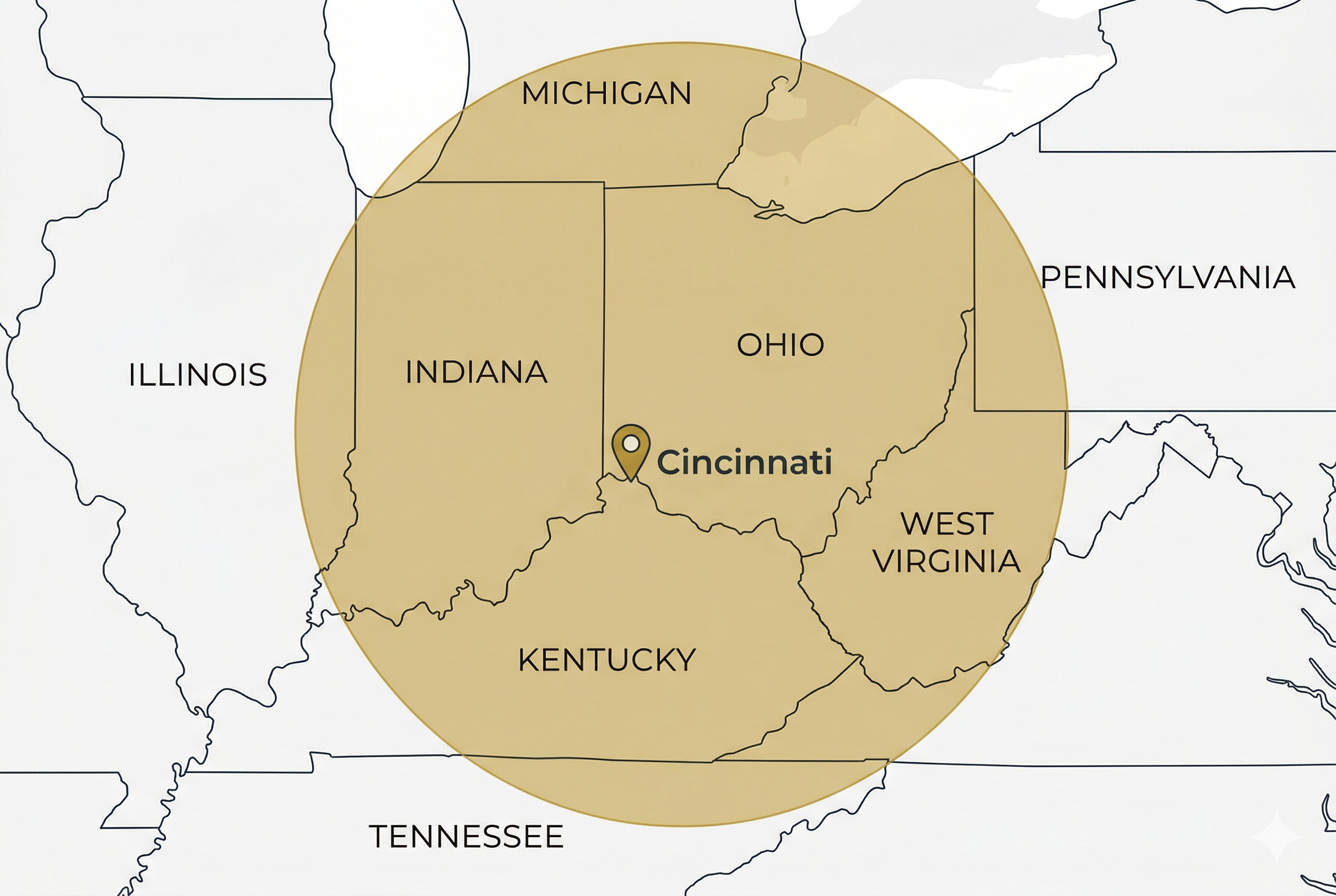
As part of his broader Title IX defense practice, Mark Wieczorek represents students and faculty at Xavier University and other institutions throughout Ohio and the Midwest. He understands how each university’s process creates unique pressure points and opportunities for the defense. For an overview of his statewide work, including case results across multiple Ohio campuses, see Title IX defense across Ohio.
Call (513) 540-0450 – Speak With Mark Directly
Supportive Measures During Your Xavier Title IX Case
While your case is pending, Xavier is required to offer supportive measures at no cost. These are non-disciplinary and non-punitive, and a formal complaint is not required to receive them. They include:
- Course deadline extensions and class schedule modifications
- Housing and living arrangement changes
- University No Contact Notices
- Counseling and health services
- Campus Advocacy Coordinator support
- Escort services and increased campus police presence
- Visa and immigration assistance
- Coordination with externally-issued protective orders
- Emergency medical withdrawal
Confidential resources at Xavier that are exempt from mandatory reporting include the Campus Advocacy Coordinator (513-904-9013), Health and Counseling Services (513-745-3022), the Psychological Services Center (513-745-3531), and Women Helping Women (513-381-5610, 24/7).
Frequently Asked Questions: Title IX at Xavier University
Can I bring a lawyer to a Title IX hearing at Xavier University?
Yes. Xavier allows each party to have an advisor of their choosing, including an attorney, who may fully participate in the investigation and ask questions directly during the hearing. Having an experienced Title IX lawyer conduct cross-examination before the three-member hearing panel is critical.
How long does a Title IX investigation take at Xavier University?
Xavier targets beginning the investigation within 10 business days of a formal complaint. Both parties receive the draft investigation report and have 10 business days to respond. The final report is provided at least 10 days before the hearing, and the hearing is scheduled no sooner than 10 business days after the final report. The panel issues its decision within 5 business days. The full process from complaint to decision typically takes 60 to 90 business days, not counting university breaks or delays.
What is the standard of evidence at Xavier University Title IX hearings?
Xavier University uses the preponderance of the evidence standard. The hearing panel determines whether it is more likely than not that the conduct occurred. This is a lower bar than the beyond a reasonable doubt standard used in criminal courts.
What happens if I am found responsible for Title IX violations at Xavier University?
Sanctions range from university probation to expulsion depending on the violation. Forcible rape, sodomy, and sexual assault with an object carry a benchmark sanction of expulsion. Forcible fondling, stalking, and dating or domestic violence carry sanctions ranging from suspension to expulsion. During an appeal, suspension or expulsion remains in effect and the student is placed on Administrative Separation.
Title IX Defense at Other Midwest Universities
Mark Wieczorek also represents students and faculty facing Title IX investigations at the University of Cincinnati, Ohio State University, the University of Dayton, Miami University, the University of Louisville, Indiana University, the University of Illinois, Ohio University, the University of Michigan, Purdue University, Michigan State University, Penn State University, University of Tennessee, and Notre Dame. Each university has its own Title IX procedures, hearing formats, and institutional culture. Mark tailors his defense strategy to the specific school and its process.
Do Not Wait. Contact a Xavier University Title IX Lawyer Now.
Nearly every Xavier employee is a mandatory reporter. Reports can also come through the anonymous EthicsPoint hotline. The Chief Title IX Officer can open an investigation within days, and emergency removal can happen before you have a chance to respond. At a school this small, Administrative Separation does not just remove you from classes. It removes you from your entire campus life.
Xavier has been through federal scrutiny before. The institutional reflex is to act fast and act decisively. If you are a student, faculty member, or staff member at Xavier University facing a Title IX investigation, call Mark Wieczorek before you attend any meetings, respond to any emails, or make any statements.