

Miami University Title IX Attorney: Defense for Students and Faculty
Experienced Title IX defense for Miami University students and faculty. Former prosecutor. Hundreds of sex crime cases handled.
Call (513) 540-0450 – Free Consultation
If you have been accused of sexual misconduct at Miami University and are facing a Title IX investigation, you need an attorney who understands how this campus operates. Miami is home to nearly 50 Greek organizations, and roughly one-third of the student body is affiliated with a fraternity or sorority. Title IX cases at Miami frequently involve allegations connected to Greek life, parties, and residential settings. The intersection of alcohol, social dynamics, and institutional pressure creates a process that moves quickly and punishes severely.
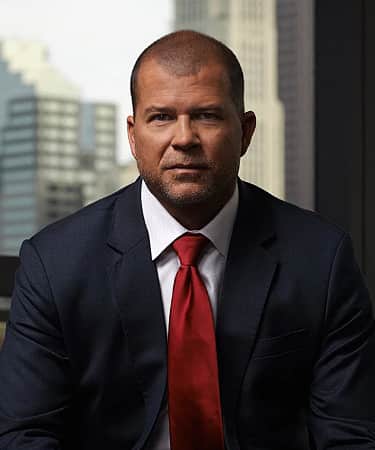
Mark Wieczorek is a Title IX lawyer based in Cincinnati who has successfully represented students at Miami University. As a former prosecuting attorney who has handled hundreds of sex crime-related cases, he knows how investigations are built, where procedural weaknesses exist, and how to protect your rights through every stage of Miami’s disciplinary process.
Call (513) 540-0450 – Free Consultation
Proven Results at Miami University
Fraternity Member Accused of Title IX Sexual Assault and Hazing
Result: Found Not Individually Responsible. All Felony Charges Dismissed.
A Miami University student was charged with Title IX sexual assault and hazing as a member of a fraternity in which over 20 individuals faced charges. Mark Wieczorek built a defense focused on individual responsibility, separating the client’s conduct from the broader group allegations. Following a full hearing, the client was found not individually responsible and all felony charges were dismissed.
Prior results do not guarantee a similar outcome. Each case is unique and must be evaluated on its own facts.
How Miami University’s Title IX Process Works
Understanding Miami’s specific procedures is essential to mounting an effective defense. Miami’s process is administered across multiple offices, and the structure is more distributed than most Ohio universities.
The Title IX Office Structure
Miami’s Title IX Coordinator is BaShaun Smith, Ed.D., who serves as Associate Vice President and Dean of Students, located in Warfield Hall. The Office of Equity and Equal Opportunity (OEEO) handles employee Title IX matters from Hoyt Hall. The Office of Community Standards manages the student hearing process.
Miami has four Deputy Title IX Coordinators covering distinct populations: Cecilie McGhehey handles student sexual misconduct on the Oxford and Luxembourg campuses, Kenya Ash covers employee matters, Dr. Bennyce Hamilton oversees the regional campuses (Hamilton, Middletown, VOA, Greentree), and Jennifer Gilbert covers athletics from Millett Assembly Hall.
Reports can be filed online through the Maxient reporting system, by phone, email, or in person. Nearly all university employees are mandatory reporters and must report to the Title IX Coordinator “as soon as possible” after becoming aware of an alleged incident. Resident Assistants, student orientation leaders, and even student managers in Campus Services are all required to report.
The Investigation Phase
After a formal complaint is filed, the Deputy Title IX Coordinator conducts a preliminary review and sends a written Notice of Allegations to the respondent. This notice includes the complaint, the specific policy sections allegedly violated, incident details, the respondent’s rights, and the identity of the assigned investigator.
The Title IX Investigator conducts voluntary interviews with both parties and relevant witnesses, then gathers documentary and physical evidence. Miami targets completing the investigation within 45 university business days from receipt of the report. Both parties receive the draft investigation report and have at least 10 business days to review it and submit written responses.
The final report includes party responses and a determination of whether there is reasonable basis to proceed to a hearing. If reasonable basis exists, specific disciplinary charges are listed. If not, the allegations are dismissed. This preliminary gatekeeping step is an opportunity your attorney can use to prevent the case from ever reaching a hearing.
The Hearing: Three-Member Panel
Unlike Ohio State, which uses a single decision-maker, Miami uses a three-member Community Standards Board composed of trained faculty and staff. Both parties receive at least 10 business days’ notice before the hearing date. All parties must be physically present or appear via audio and video technology.
Key rules you need to know:
- Cross-examination must be conducted by your advisor, not by you directly
- The Board reviews every question for relevance before it is answered
- Questions about the complainant’s prior sexual behavior are not relevant, with narrow exceptions
- The Board will not draw inferences from a party’s absence or refusal to answer cross-examination questions
The three-member panel structure means each board member brings different perspectives and institutional knowledge. An experienced Title IX attorney knows how to present a defense that addresses the concerns of multiple decision-makers, not just one.
Standard of Evidence
Miami University uses the preponderance of the evidence standard. The Board only needs to believe it is more likely than not that the conduct occurred. This is a significantly lower bar than the beyond a reasonable doubt standard used in criminal court.
Sanctions
For students, sanctions range from educational intervention to dismissal:
- Educational Intervention – mandatory training, counseling, or programs
- No-Contact Order – prohibition on direct or indirect contact with the complainant
- Removal from Campus Housing – forced relocation from residence halls
- Restrictions on Activities – barred from athletics, Greek life, or co-curricular participation
- Suspension – separation from the university for a defined period
- Dismissal – permanent separation from Miami University
For faculty and staff, consequences range from spoken reprimand to dismissal, including suspension with or without pay, pay reduction, and demotion.
Appeals
If you are found responsible, you have 5 university business days to file an appeal with the Vice President of Student Life. Four grounds are permitted:
- Bias or conflict of interest by the investigator, Board member, or Title IX Coordinator that affected the outcome
- Substantial new evidence not reasonably available at the time of the hearing
- Procedural irregularity that materially affected the outcome, including failure to objectively evaluate evidence or errors in relevance determinations
- Disproportionate sanction relative to the circumstances
The opposing party receives a copy of the appeal and has 5 business days to submit a written response. The appeal decision is sent simultaneously to both parties with a written rationale. Do not wait until after the hearing to think about appeals. An experienced attorney builds the appeal record from the first day of representation.
Emergency Removal
The Dean of Students can remove a respondent from Miami’s educational programs and activities on an emergency basis if the university determines there is an immediate threat to physical health or safety. Unlike some institutions, Miami is required to provide notice and an opportunity to challenge the removal. If you have been emergency removed, contact an attorney immediately.
Why Miami Title IX Cases Are Different
Miami University presents unique challenges for respondents that attorneys unfamiliar with the campus often miss.
The “Mother of Fraternities” creates a distinct Title IX environment. Miami is where Beta Theta Pi (1839), Phi Delta Theta (1848), and Sigma Chi (1855) were all founded. Approximately one-third of the student body participates in Greek life. The university has suspended at least six Greek organizations in recent years for hazing and misconduct violations. When Title IX allegations arise in a Greek context, the institutional response is aggressive, and the accused individual can face both university disciplinary proceedings and criminal charges simultaneously.
Doe v. Miami University established critical precedent. In Doe v. Miami University (6th Circuit, 2018), a male student who was suspended after being found responsible for sexual misconduct sued the university. The Sixth Circuit found that the student had sufficiently alleged anti-male bias in Miami’s Title IX process. The court noted that the investigator allegedly “dominated” proceedings and made prejudicial statements. The investigator was denied qualified immunity. This ruling established important precedent in the Sixth Circuit regarding investigator impartiality and due process protections for accused students.
Multi-office structure creates complexity. Miami distributes Title IX responsibilities across the Dean of Students office, the Office of Equity and Equal Opportunity, and the Office of Community Standards. Four Deputy Title IX Coordinators cover different campus populations. This distributed structure means the process involves more institutional actors than at most Ohio universities. An attorney who understands how these offices interact can identify procedural errors that others miss.
Broad mandatory reporting reaches deep. Nearly every employee on campus is a mandatory reporter, including Resident Assistants, student orientation leaders, and student managers. Reports must be filed “as soon as possible.” Miami also requires staff to notify campus police of any sexual misconduct report. This dual-reporting obligation means a complaint can trigger both a Title IX investigation and a criminal investigation simultaneously.
As part of his broader Title IX defense practice, Mark Wieczorek has defended clients at Miami University and other institutions throughout Ohio and the Midwest. He understands how each university’s process creates unique pressure points and opportunities for the defense. For an overview of his statewide work, including case results across multiple Ohio campuses, see Title IX defense across Ohio.
Call (513) 540-0450 – Speak With Mark Directly
Supportive Measures During Your Miami Title IX Case
While your case is pending, Miami University is required to offer supportive measures at no cost. These are non-disciplinary and non-punitive, and a formal complaint is not required to receive them. They include:
- Academic accommodations including rescheduled exams, class changes, extensions, and excused absences
- Housing relocation within the residence halls
- Mutual no-contact directives
- Transportation and parking modifications
- Work schedule modifications
- Counseling services and community referrals
- Assistance obtaining court-issued protection orders
- FERPA directory information protection
Confidential resources at Miami that are exempt from mandatory reporting include the Student Counseling Service (513-529-4634), the Student Health Center (513-529-3000), and Women Helping Women (513-381-5610, 24/7). Off-campus clergy, physicians, and licensed counselors holding legal privilege under Ohio law can also provide confidential support.
Frequently Asked Questions: Title IX at Miami University
Can I bring a lawyer to a Title IX hearing at Miami University?
Yes. Miami allows each party to have an advisor of their choosing, and that advisor can be an attorney. Cross-examination must be conducted by your advisor, not by you directly. Having your own attorney handle cross-examination before the three-member Community Standards Board is critical.
How long does a Title IX investigation take at Miami University?
Miami targets completing the investigation within 45 university business days from receipt of the report. The full process from investigation through hearing and appeal can take up to 120 university business days. After the investigation concludes, both parties receive the draft report and have at least 10 business days to review it and submit written responses before the final report is issued.
What is the standard of evidence at Miami University Title IX hearings?
Miami University uses the preponderance of the evidence standard, meaning the Community Standards Board determines whether it is more likely than not that a policy violation occurred. This is a lower bar than the beyond a reasonable doubt standard used in criminal courts.
What happens if I am found responsible for Title IX violations at Miami University?
Sanctions for students range from educational intervention to dismissal. Suspension removes you from classes and bars you from campus. Dismissal is permanent. You may also face removal from campus housing, no-contact orders, and restrictions on athletics or co-curricular activities. Appeals must be filed within 5 university business days of the hearing outcome to the Vice President of Student Life.
Title IX Defense at Other Midwest Universities
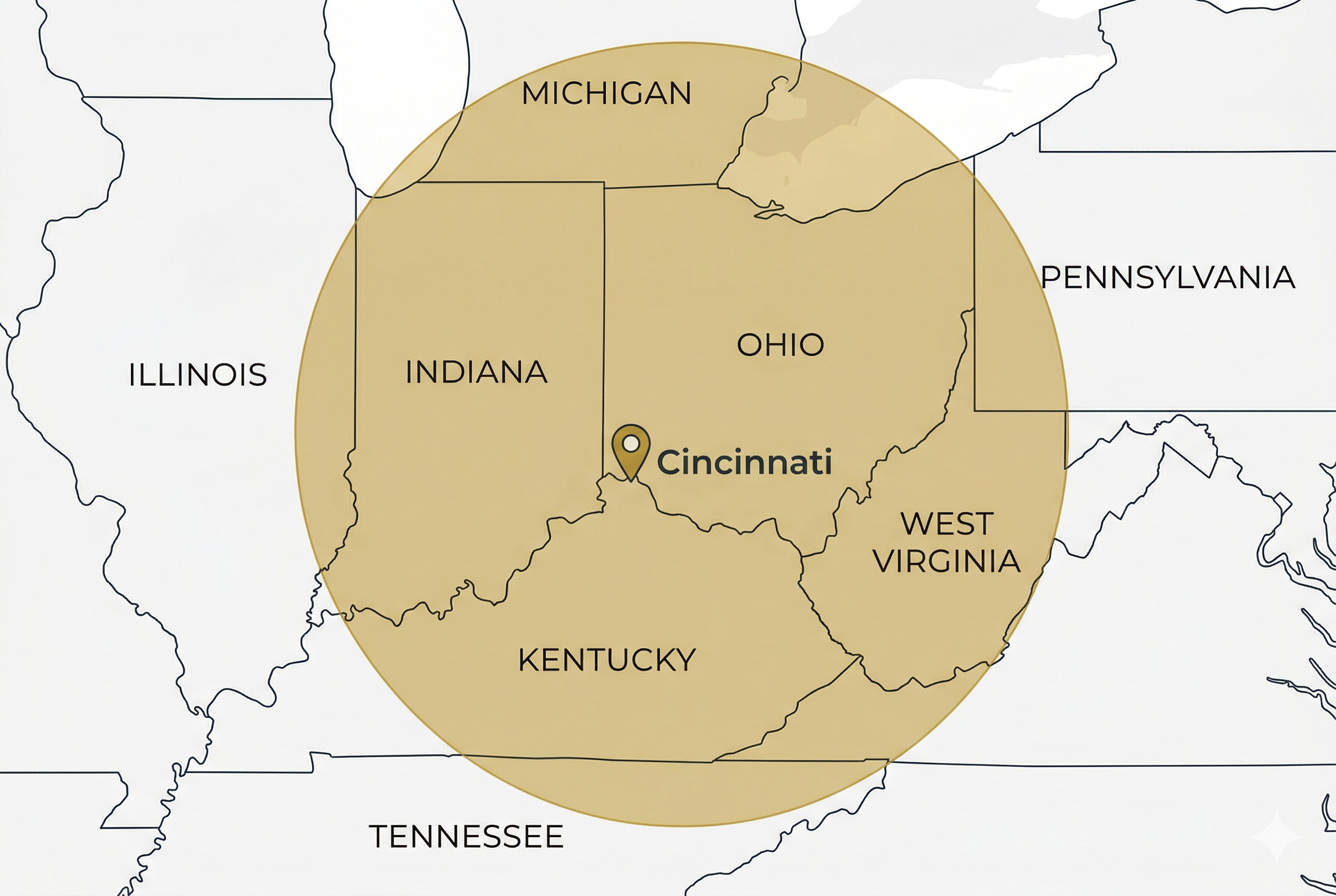
If you need a Miami University Title IX lawyer who knows the 3-member Community Standards Board process, Doe v. Miami precedent, and the Mother of Fraternities culture, Mark Wieczorek’s prosecutorial background and his Miami fraternity case (felony charges dismissed, not individually responsible) give Respondents Oxford-specific experience that out-of-area firms simply cannot match. Mark Wieczorek also represents students and faculty facing Title IX investigations at the University of Cincinnati, Ohio State University, the University of Dayton, Xavier University, the University of Louisville, Indiana University, the University of Illinois, Ohio University, the University of Michigan, Purdue University, Michigan State University, Penn State University, and University of Tennessee. Each university has its own Title IX procedures, hearing formats, and institutional culture. Mark tailors his defense strategy to the specific school and its process.
Do Not Wait. Contact a Miami University Title IX Attorney Now.
Miami’s mandatory reporting requirement means the Title IX Coordinator can learn about an allegation within hours. Nearly every employee on campus is required to report, and campus police are notified simultaneously. The investigation targets completion within 45 business days. Emergency removal can happen before the investigation begins. Everything you say and do from the moment a report is filed becomes part of the record.
If you are a student, faculty member, or staff member at Miami University facing a Title IX investigation, call Mark Wieczorek before you attend any meetings, respond to any emails, or make any statements.