Title IX Investigation: What to Expect from Day One
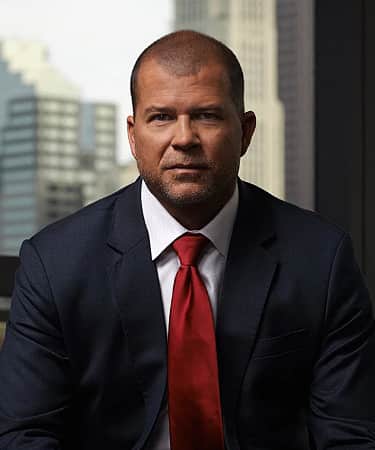
Experienced Title IX defense for the investigation phase. Former prosecutor. Hundreds of sex crime cases handled.
Call (513) 540-0450 – Free Consultation
The notice arrived. Maybe it came by email, maybe by university mail, maybe in person from a Title IX investigator. The language is bureaucratic and easy to read past. The reality is this: you, or your child, or your faculty colleague, have entered a formal university disciplinary process that will run for months, will produce a written record that follows you, and will be decided largely on what happens in the next 30 to 90 days. The investigation phase is where Title IX cases are built. It is also where they are won or lost.
This guide walks you through the Title IX investigation process step by step, in plain language, so you understand exactly what an investigator is doing, what they are looking for, what your rights are, and where the decisions that shape the outcome of your case actually get made. It is written by the team at The Wieczorek Law Firm, a Cincinnati-based criminal defense and Title IX defense practice serving students, faculty, coaches, and administrators at universities across the Midwest. If you want to talk to an attorney directly, call (513) 540-0450. The consultation is free.
What a Title IX Investigation Actually Is
A Title IX investigation is the formal university process triggered when the Title IX Office accepts a Formal Complaint and issues a Notice of Investigation. It is governed by federal regulations under 34 CFR Part 106 and by your specific university’s Title IX policy, which implements the federal regulations and adds institution-specific procedural rules.
The investigation is conducted by a designated investigator or investigation team. The investigator’s job is to gather evidence: interview the complainant, interview you (the respondent), interview witnesses, collect documents and electronic communications, review any physical evidence, and produce a written investigation report. The investigation report is the foundation of everything that follows in your case. It is what the decision-maker reads at the hearing. It is what the appeals officer reads on review. It is the record that follows you if any aspect of the case becomes relevant later in your education, your career, or in a parallel civil or criminal proceeding.
What the investigation is not: it is not a criminal investigation, but statements you make in it can sometimes be used in a parallel criminal proceeding. It is not a civil lawsuit, but the procedural record can become evidence in one. It is not an academic process in any meaningful sense, even though it lives in your educational record. It is a quasi-judicial administrative proceeding governed by federal regulation and adjudicated under the preponderance-of-the-evidence standard.
The First 72 Hours After You Receive the Notice
The choices you make in the first 72 hours after receiving a Title IX notice shape the trajectory of the case more than any other window. Most respondents make three predictable mistakes in this window. First, they communicate with the complainant or with mutual friends in an attempt to clarify, explain, or de-escalate. Every one of those communications becomes potential evidence. Second, they accept the university’s offer of a campus advisor without understanding the limitations of that advisor’s role. Third, they prepare for the investigator interview by rehearsing their version of events in their own head, without legal review.
What you should actually do in the first 72 hours: stop all contact with the complainant and mutual witnesses, retain experienced Title IX defense counsel, preserve all written communications and electronic records that may be relevant, and avoid making any written or recorded statement to anyone affiliated with the university until you have reviewed your position with counsel. The notice typically gives you a defined window before your interview is scheduled. Use that window for preparation, not for damage control.
This is also the window where the difference between an attorney with active Title IX experience and a generalist matters most. An experienced Title IX defense attorney reviews the notice for specific procedural triggers, identifies the policy provisions invoked, calculates the deadlines that bind both you and the university, and begins building the investigation-phase defense before the first interview happens.
Call Mark Directly – (513) 540-0450
Your Interview with the Title IX Investigator
The investigator interview is the single most consequential event in the investigation phase. It is also the most misunderstood. Most respondents walk in believing that if they explain themselves clearly and answer all questions truthfully, the matter will resolve favorably. That assumption is the source of most damaging admissions in Title IX cases.
The investigator is not neutral in the way you imagine neutral to mean. The investigator is documenting what you say, comparing it against what others said, and looking for inconsistencies. Statements that feel natural and exculpatory in conversation can look devastating in a written report read months later by a decision-maker who never met you. Tone is invisible on paper. Context is condensed. What was a passing observation in a 90-minute interview becomes a sentence in a report that the decision-maker reads as a finding.
Effective preparation for the investigator interview includes reviewing every document and communication you may be asked about, anticipating the investigator’s questions and rehearsing concise answers with counsel, identifying which facts help your defense and which facts hurt and developing a strategy for both, and practicing the discipline of answering only what is asked rather than volunteering additional context that creates new inconsistencies.
The investigator interview is also where the procedural rights you exercise build the record for any subsequent appeal. If the investigator asks improper questions, your advisor’s objection on the record matters even if the investigator overrules it. If the investigator misstates a prior statement, your advisor’s correction on the record matters. The investigation phase is the foundation of the entire case.
What the Investigator Wants From You vs What You Have to Give
The investigator wants a comprehensive narrative from you covering the events alleged in the complaint, your relationship with the complainant, any communications around the alleged events, your understanding of the relevant policy, and your account of the timeline. The investigator will frame the request as routine information gathering. In practice, the investigator is mapping your narrative against the complainant’s narrative and the witnesses’ accounts to identify points of agreement, points of contradiction, and points where your account undermines its own credibility.
What you actually have to give: under federal Title IX regulations, you have the right to participate, the right to an advisor of choice, the right to review evidence before the report is finalized, and the right to respond in writing. You have no obligation to answer any specific question. You have no obligation to volunteer information. You have no obligation to interpret the facts in any particular way. The investigator can document your refusal to answer, and a decision-maker may consider it, but the strategic choice of which questions to answer, how, and with what level of detail is yours to make with your attorney.
The most effective Title IX investigation defense is not a refusal to participate. It is a structured participation in which every answer is considered, every relevant fact is presented in its proper context, and nothing is volunteered that creates avoidable risk. The structure of that participation is built with your attorney before the first interview, not improvised during it.
Documents, Communications, and Electronic Evidence
The investigator will request documents, text messages, emails, social media communications, and in some cases location data, photographs, and video. The scope of the request will depend on the allegations. The strategic question for your defense is which materials to provide voluntarily, which to provide with context, and which to invoke procedural protections around. Universities cannot subpoena evidence from third parties, but they can document a respondent’s refusal to provide requested materials, and they can request the materials through other channels (the complainant, the cooperating witnesses, or in some cases through public-records requests for university-controlled accounts).
The most common mistakes accused respondents make on documents and communications are deleting messages or social media posts after receiving the notice, providing screenshots that show context unfavorable to the defense, and providing communications that contain statements made in the heat of the moment that look damaging when read in a hearing room. All of these are avoidable with attorney review before any voluntary production.
Federal Title IX regulations require the university to provide both parties access to all evidence directly related to the allegations before the investigation report is finalized. This means that whatever you provide will be visible to the complainant, and whatever the complainant provides will be visible to you. The strategic implication is that decisions about what to produce voluntarily must account not just for how the material looks to the investigator, but for how it sets up the cross-examination at the hearing.
Witnesses: Who They Will Interview and What That Means
The investigator will interview witnesses on both sides. The complainant typically identifies witnesses they want interviewed. The respondent has the same right. Friends, roommates, fraternity or sorority members, faculty advisors, coaches, athletic staff, and anyone who was present at or near the events alleged may be interviewed.
Several patterns recur in Title IX witness interviews. Witnesses who were friends with both parties often produce the most damaging statements, because their attempts to be even-handed read as concessions to the complainant’s narrative. Witnesses who were drinking or otherwise impaired at the time of the alleged events frequently produce inconsistent accounts that the investigator highlights in the report as credibility issues. Witnesses who feel pressure from peers or from the university to support a particular outcome may shade their accounts in ways that surprise the respondent.
The strategic question for your defense is which of your own witnesses to identify for the investigator and what each should be prepared to say. The wrong witness, even one trying to help, can do more damage than no witness. The right witness, properly prepared, can shift the credibility balance of the investigation report in ways that affect every subsequent decision. Witness selection and preparation is one of the most underappreciated aspects of Title IX defense, and it is one of the places where experienced counsel adds the most value.
The Statements That Damage Title IX Investigations Most
Several categories of statements consistently damage Title IX investigation defenses across cases. Respondents who admit to having been drinking or impaired and then attempt to describe specific events from that period create a credibility problem the investigator will exploit. Respondents who acknowledge that they were aware the complainant was upset, drunk, or in any way distressed and then attempt to explain why that did not change their behavior establish a fact pattern that aligns with the policy violation. Respondents who attempt to characterize the complainant’s motives (“she was angry because…”) shift the focus from the underlying events to the respondent’s interpretation, which the investigator will document and the decision-maker will read skeptically. Respondents who minimize the seriousness of the underlying events (“it was just…”) establish a fact pattern of dismissiveness that aggravates sanctions if responsibility is found.
The structural problem in all of these is the same: a respondent in an investigator interview is operating in a high-stress environment, trying to be cooperative, trying to explain, trying to be liked, and trying to win. The investigator is operating in a structured environment, with a checklist of questions, and looking for fact patterns that map to the policy provisions alleged. The mismatch is profound, and it is one of the most important reasons to prepare with experienced counsel before the interview rather than to walk in cold.
Evidence Review: Reading the File Before the Investigation Closes
Federal Title IX regulations require the university to provide both parties access to all evidence directly related to the allegations before the investigation report is finalized. This is the evidence review window. It typically runs 10 business days, during which both parties may review the file, submit written responses, identify inaccuracies, and provide additional context.
This window is one of the most important procedural rights you have, and it is one of the most consistently underused. Most respondents review the file once, look for the parts that hurt them, and submit a written response that addresses those parts. An experienced Title IX defense attorney reads the file very differently. The attorney is identifying procedural irregularities that occurred during the investigation, inconsistencies between witness statements, gaps in the timeline that the investigator did not notice, evidence that was collected but improperly attributed, and any indication that the investigation deviated from the university’s own written policy.
Each of those findings becomes the basis for either the hearing defense or for a subsequent appeal. Procedural deficiencies identified during evidence review and properly documented in your written response create a record that can be cited if the hearing produces an unfavorable outcome. A response that simply argues your version of events is correct does not build that record. A response that identifies specific procedural problems with citations to policy provisions builds it.
The Investigation Report and Your Written Response
The investigation report is the document that summarizes what the investigator found. It includes the allegations, the evidence collected, the statements from witnesses and parties, and in most institutional models, the investigator’s analysis or summary of how the evidence applies to the policy provisions invoked. The report does not usually contain a finding of responsibility (the decision-maker makes that determination at or after the hearing), but it frames the decision-maker’s understanding of the case before the hearing begins.
Your written response to the investigation report is your last meaningful opportunity to shape the record before the hearing. It should identify factual inaccuracies in the report, identify procedural problems with the investigation, provide additional context for statements the report summarizes incompletely, and preserve every objection that may matter on appeal. The written response is also one of the most useful documents in any subsequent criminal or civil proceeding, because it captures the respondent’s account in their attorney’s voice, on the record, with the procedural protections of the disciplinary process.
For a step-by-step walkthrough of what happens after the investigation closes and the case moves to the hearing, see our companion Title IX hearing process step-by-step guide. The investigation phase and the hearing phase are intertwined: the record built during the investigation becomes the evidence the decision-maker relies on at the hearing.
When a Title IX Investigation Triggers a Parallel Criminal Investigation
In some cases, the Title IX matter runs in parallel with a criminal investigation by local police or the prosecuting attorney’s office. This is most common in alleged sexual assault cases, but it can arise in stalking, harassment, or domestic violence cases as well. The parallel proceedings create significant legal complications that Title IX-only attorneys frequently miss.
Statements you make in the Title IX investigation are not automatically protected from disclosure in a criminal proceeding. Anything you say to a Title IX investigator, in a hearing, or in a written response can potentially be subpoenaed by law enforcement. Tennessee has a specific evidentiary shield statute, T.C.A. section 24-7-102, that protects statements made by a respondent in a disciplinary proceeding from later use in civil or criminal proceedings, but only if the respondent had the active assistance of counsel during the disciplinary proceeding. Most other states have no such protection.
The Wieczorek Law Firm handles both Title IX defense and criminal defense. Mark Wieczorek’s practice includes criminal defense for clients facing sex crimes charges, OVI, drug crimes, and related matters in Cincinnati and across the Midwest. When a Title IX investigation includes parallel criminal exposure, the strategic decisions about what to say in the investigation are made with full awareness of how those statements may be used in a subsequent criminal proceeding. Attorneys who only handle one side of the parallel proceedings inadvertently put their clients in a worse position on the other side. If you are facing both a Title IX investigation and any indication of criminal exposure, do not respond to either without first speaking with an attorney who understands the intersection.
Supportive Measures During the Investigation
Federal Title IX regulations require universities to offer supportive measures to both parties during the investigation. Supportive measures are non-disciplinary adjustments designed to preserve equal access to the university’s programs while the case is pending. They typically include academic accommodations (deadline extensions, course-section changes, modified attendance requirements), housing modifications (room changes, dorm changes), no-contact orders that bind both parties from contact with each other, modified work or extracurricular schedules, and access to counseling or medical services.
Supportive measures are not sanctions, and accepting them is not an admission of responsibility. They are tools to preserve your education and your wellbeing while the process unfolds. The university is required to consider supportive measures appropriate to your individual situation, and refusal to engage with the supportive-measures process can produce friction that affects how the rest of the case is administered.
What supportive measures cannot do: they cannot remove the underlying complaint or the investigation, and they cannot resolve the case. They run in parallel with the investigation. If the supportive measures themselves become a point of friction (a no-contact order that the university enforces selectively, an academic accommodation that is denied, a housing change that creates academic complications), those frictions also become procedural issues that may matter at the hearing or on appeal.
Finding the Right Title IX Defense Attorney for the Investigation Phase
The choice of attorney during the investigation phase shapes the entire case. Several qualifications matter more than others when selecting Title IX defense counsel.
First, look for direct Title IX investigation experience, not just general higher-education or administrative law experience. Title IX investigations have specific procedural rules, specific evidentiary requirements, and specific institutional dynamics that differ from civil litigation and from criminal practice. Attorneys without direct investigation-phase experience often underestimate the consequences of decisions made before the first interview.
Second, look for prosecutorial or trial experience. The investigator interview is not a trial, but the dynamics of structured questioning by a trained interviewer are similar enough that attorneys with significant prosecutorial backgrounds tend to perform better in this phase. They have spent years observing how skilled questioners build cases through accumulated answers, and they bring that pattern recognition to defense.
Third, look for flat-fee billing rather than hourly. The investigation phase alone runs 30 to 90 business days, and the rest of the case adds another 60 to 120 days. Hourly billing creates incentives that misalign with thorough investigation-phase defense. Mark Wieczorek’s Title IX defense is offered on a flat-fee basis specifically to remove that misalignment. The fee is defined at the outset and does not change based on hours.
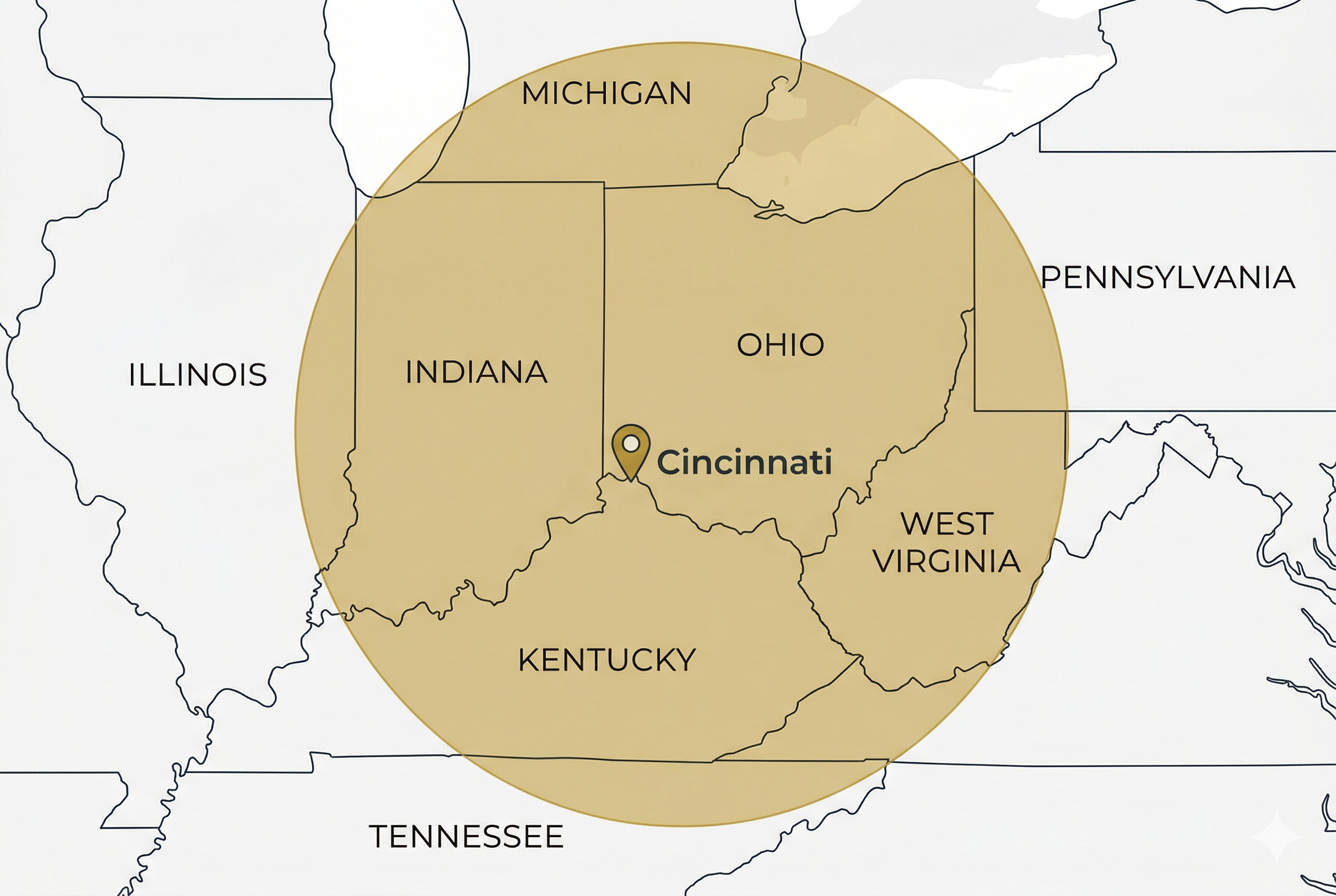
Fourth, look for an attorney who understands the specific procedural environment at your university. The Wieczorek Law Firm maintains active practice pages for the universities where we represent clients most frequently across the Midwest and Southeast:
- Ohio: University of Cincinnati, Ohio State University, University of Dayton, Miami University, Xavier University, Ohio University
- Indiana: Indiana University, Purdue University, University of Notre Dame, Ball State University
- Michigan: University of Michigan, Michigan State University, Wayne State University
- Illinois: University of Illinois Urbana-Champaign, Northwestern University, University of Chicago, DePaul University
- Other Midwest and Southeast: University of Louisville, Penn State University, West Virginia University, University of Tennessee, Vanderbilt University, Middle Tennessee State University
For an overview of Mark’s full Title IX defense practice, see our Title IX defense practice page.
Frequently Asked Questions About the Title IX Investigation Phase
How long does a Title IX investigation typically last?
The investigation phase alone typically runs 30 to 90 business days from the notice of investigation, although universities frequently extend it. The full case from notice through hearing and final appeal often runs 6 to 9 months.
Do I have to participate in the Title IX investigation?
You can decline, but doing so almost always hurts your case. Universities are permitted to proceed and reach a determination based on the evidence available, even without your participation. Strategically choosing what to say with experienced attorney guidance is almost always a better path than non-participation.
Can my statements to the Title IX investigator be used against me in criminal court?
Yes, in most states. Statements you make to a Title IX investigator can be subpoenaed by law enforcement and used in a parallel criminal proceeding. Tennessee has a specific evidentiary shield statute (T.C.A. section 24-7-102) that protects these statements, but only if you had the active assistance of counsel during the disciplinary proceeding. Most other states have no such protection.
What should I bring to a Title IX investigator interview?
Bring your advisor (ideally an experienced Title IX defense attorney), a written timeline of your version of events that you have reviewed with counsel, any documents you plan to reference, and identification. Do not bring anything you are not prepared to have the investigator copy and include in the file.
Can a campus-provided advisor represent me effectively in a Title IX investigation?
Campus-provided advisors are well-intentioned but institutionally constrained. They work for the university, are trained on the university’s procedures, and have no incentive to push back on procedural shortcuts or weak evidence the way an independent defense attorney does.
What happens if the Title IX investigation finds responsibility?
A finding leads to a hearing where sanctions are determined, or in some institutions to a direct sanctioning process. Common sanctions include suspension, expulsion with transcript notation, loss of housing, and for faculty, termination, loss of tenure, and loss of pension contributions.
How much does a Title IX defense cost?
The Wieczorek Law Firm offers Title IX defense on a flat-fee basis. The fee is defined at the start of representation and does not change based on hours worked. For a confidential discussion and clear quote, call (513) 540-0450.
Do Not Wait: Speak With a Title IX Defense Attorney Today
If you or your child has received a Title IX notice of investigation, the next 72 hours matter more than almost any other window in the process. The decisions you make about whether to give a statement to investigators, whether to communicate with the complainant or witnesses, whether to retain an attorney now or wait, and what you tell the university shape the trajectory of the entire case.
The Wieczorek Law Firm offers free initial consultations for Title IX defense matters across the Midwest and Southeast. Mark Wieczorek will speak with you personally, explain the investigation process specific to your university, answer your questions about strategy and cost, and tell you honestly whether our practice is the right fit for your situation. There is no obligation and no charge for the consultation.
Call (513) 540-0450 Now – Free Consultation
You do not have to figure this out alone. That is exactly why we are here.