
Michigan State University Title IX Attorney: Defense for Students and Faculty
Experienced Title IX defense for MSU students, faculty, and staff. Former prosecutor. Hundreds of sex crime cases handled.
Call (513) 540-0450 – Free Consultation
If you have been accused of sexual misconduct at Michigan State University and are facing a Title IX investigation, you are up against an institution with a documented history of structuring its Title IX process around its own legal defense. The stakes for the accused student, faculty member, or staff member are immediate and severe: possible suspension, expulsion, termination, loss of tenure, loss of pension, and a permanent record that follows you to every future job, graduate program, or licensure application. MSU’s process is fast, the evidentiary standard is low, and decisions are made by a single Resolution Officer behind a cross-examination format that the average accused person is not equipped to handle alone.
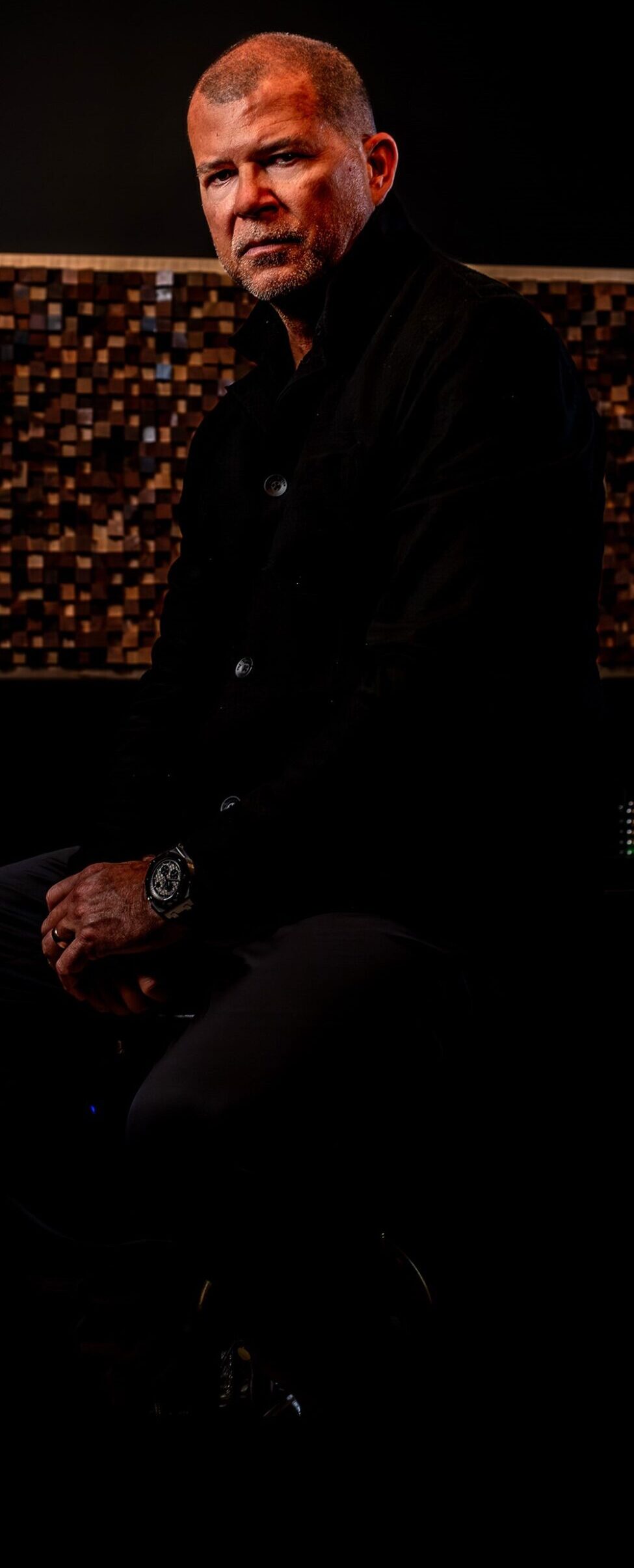
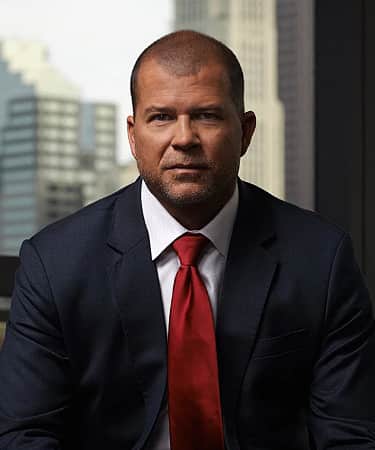
Mark Wieczorek is a Title IX attorney based in Cincinnati who represents students, faculty, and staff at Michigan State University and other Big Ten institutions across the Midwest. As a former prosecuting attorney who has trained law enforcement on sexual assault investigations, Mark understands how institutions build Title IX cases, where the procedural protections are, and how to dismantle a thinly supported allegation before it ends a career. His representation is flat-fee with no hourly billing, and he travels to every campus he serves.
How Michigan State’s Title IX Process Works
MSU’s Relationship Violence and Sexual Misconduct (RVSM) and Title IX Policy, last revised in July 2025, governs every Title IX investigation on the East Lansing campus. The policy is administered by the Office for Civil Rights and Title IX Education and Compliance (OCR/Title IX), which restructured and expanded after the Department of Education’s 2019 mandate following the Larry Nassar institutional failures.
The Office for Civil Rights and Title IX Education and Compliance
The Office for Civil Rights and Title IX Education and Compliance is led by Vice President and Title IX Coordinator Laura Rugless, JD. The office is housed in Olds Hall Suite 105 at 408 West Circle Drive in East Lansing, with the main reporting line at (517) 353-3960. Inside the office, the Investigation, Support and Resolution (ISR) division handles intake, investigation, and resolution; the Resolution Office runs hearings; and the Equity Review Office handles appeals. Each function is staffed by separate personnel, but all report to the same VP. That structural alignment is part of why aggressive, prepared external advocacy matters at MSU.
The Investigation Phase
Once a report reaches the ISR division, an investigator is assigned, both parties receive formal notice, and the investigator begins gathering written statements, electronic evidence, and witness interviews. MSU’s policy directs the investigator to provide both parties access to the evidence packet and a draft investigation report for response before finalization. The official target is 90 days to complete the investigation, but cases routinely extend beyond that on extension for good cause. Faculty cases are also routed through Faculty and Academic Staff Affairs for parallel review when the respondent is an employee.
The Hearing: Single Resolution Officer Model
MSU’s hearing structure is a live virtual hearing before a single Resolution Officer (RO). This is consequentially different from the panel model used at Indiana University or Miami University. With a single decision-maker, every credibility judgment, every relevance ruling on a question, and every weight-of-evidence determination flows through one person’s notes. That makes the cross-examination phase decisive, and it places enormous pressure on the advisor’s preparation. Both parties may attend with both an advisor (who conducts cross-examination on the party’s behalf) and a separate support person (who cannot speak in the hearing). MSU’s policy expressly allows the advisor to be an attorney, and an attorney advisor may also provide legal advice during the proceeding.
Standard of Evidence
MSU applies the preponderance of the evidence standard at hearings. Under this standard, the Resolution Officer must decide whether it is more likely than not that the alleged policy violation occurred. The accused is presumed not responsible until the RO issues a written decision, but the preponderance standard is a low evidentiary bar compared to the criminal courts. A careful defense focuses on credibility, inconsistency, motive to fabricate, and the gaps in the institutional investigation file.
Sanctions
If the Resolution Officer finds a respondent responsible, sanctions are imposed by separate offices depending on the respondent’s role. For students, the Student Conduct department imposes sanctions ranging from formal warning to suspension to permanent dismissal. For faculty and academic staff, the Faculty and Academic Staff Affairs office imposes sanctions that can include termination, removal of tenure, and forfeiture of pension and benefits. For staff, MSU Human Resources handles sanctions. The RO does not impose sanctions directly; the finding triggers a separate sanction-imposition step.
Appeals
Both parties may appeal a Resolution Officer’s decision to the Equity Review Officer (ERO). The appeal must be filed within 10 days of the written decision. The opposing party then has 10 days to respond. The ERO issues a final decision within 18 days of receiving the response. Grounds for appeal include procedural irregularity that affected the outcome, new evidence that was not reasonably available at the time of the hearing, and conflict of interest or bias on the part of the investigator, RO, or Title IX Coordinator that affected the outcome.
Why MSU Title IX Cases Require an Experienced Attorney
Most Title IX defense attorneys come from a civil or administrative law background. Mark Wieczorek is a former prosecuting attorney. He spent years on the prosecution side of sexual assault cases, learning how investigators build a record, how prosecutors decide whether to charge, and how a case is constructed to survive scrutiny. He has also trained law enforcement on sexual assault investigations. That experience is exactly the kind of insight a respondent needs at a Title IX hearing, where the entire institutional process is structured around producing a finding of responsibility.
MSU is a particularly serious institution to face Title IX charges at, for three reasons.
First, the Doe v. Michigan State University precedent is binding here. In Doe v. Michigan State University, No. 20-1043 (6th Cir. 2021), the Sixth Circuit held that when a public university must choose between competing narratives to resolve a Title IX case, the university must give the accused student or his agent an opportunity to cross-examine the accuser and adverse witnesses in the presence of a neutral fact-finder. That ruling, combined with Doe v. Baum, 903 F.3d 575 (6th Cir. 2018), forms the controlling cross-examination framework across the Sixth Circuit (Ohio, Michigan, Kentucky, Tennessee). MSU’s current hearing structure was retrofitted in response to these decisions. A skilled advisor uses the cross-examination right aggressively, because that is exactly where these cases are won.
Second, MSU has a documented history of editing Title IX investigation reports to support the university’s litigation posture. A September 2024 investigation by The State News, drawing on internal MSU documents, revealed that during 2017 the then-Deputy General Counsel personally edited Title IX investigation reports with edits described in writing as “targeted towards phrasing/issues that are important from our broader litigation defense strategy.” A 2023 Quinn Emanuel review commissioned by MSU itself found continued General Counsel interference in Title IX matters years after the practice was supposedly ended. For an accused respondent, this institutional posture means two things: institutional decision-makers may not be approaching your file as neutral fact-finders, and an experienced outside attorney is the person responsible for catching the discrepancies between the evidence in the file and the conclusions in the report.
Third, MSU is operating under a Department of Education-mandated Title IX restructuring. Following the Larry Nassar institutional failures, MSU paid a $500 million settlement to 332 survivors in 2018 and was fined $4.5 million by the Department of Education for failing to report sexual misconduct under the Clery Act. As part of its 2019 federal resolution, MSU was required to substantially restructure its Title IX office and grievance procedures. The institution has every operational and reputational incentive to demonstrate aggressive enforcement going forward, which means accused respondents face an institution that is heavily motivated to produce findings of responsibility and impose maximum sanctions.
Mark’s representation is built around these realities. He prepares cross-examination outlines that account for the single-Resolution-Officer model. He builds the record for appeal during the investigation phase, not after a finding has already issued. And he treats the institutional file as something to be aggressively challenged on its own evidentiary terms, not deferred to.
Call (513) 540-0450 for a Free Consultation
Notable Title IX Defense Results
Below are real Title IX matters Mark has defended across the Midwest, for students and faculty facing the same kind of allegations you’re navigating right now. They’re a look at what’s possible when the defense is built right from day one.
University of Dayton: Professor Accused of Inappropriate Sexual Contact
Result: Case Dismissed. Full Tenure and Pension Retained.
A tenured professor faced an institutional Title IX investigation that threatened both his career and his retirement security. Mark identified inconsistencies in the complainant’s account, procedural irregularities in the investigation, and evidentiary gaps. The case was dismissed, and the professor returned to teaching with his tenure and pension intact.
University of Cincinnati: Student Accused of Rape and Sexual Assault
Result: Case Dismissed.
A UC student was accused of rape and sexual assault. Mark was retained early, before the institution had finalized its evidentiary review. He challenged the reliability of the evidence, identified procedural deficiencies, and demonstrated that the allegations lacked the evidentiary support necessary to proceed. The case was dismissed before a full hearing.
University of Cincinnati: Student Accused of Rape and Sexual Assault
Result: Not Responsible After Full Hearing.
In a separate matter, a second UC student faced rape and sexual assault allegations that went to a full disciplinary hearing. Mark prepared an exhaustive defense, identified inconsistencies across multiple interviews, and presented a clear, evidence-based narrative to the hearing panel. The student was found not responsible.
Miami University: Fraternity Member Charged with Sexual Assault and Hazing
Result: Not Individually Responsible. Felony Charges Dismissed.
Mark represented an individual charged with Title IX sexual assault and hazing as a fraternity member, in a matter where over 20 individuals faced charges. Following a full hearing, the client was found not individually responsible and all felony charges were dismissed.
Past results do not guarantee a similar outcome in any future case. Each case is unique and depends on its own facts and the applicable law. The outcomes described above reflect specific cases handled by Mark Wieczorek and should not be construed as a prediction of results in any other matter.
Supportive Measures During Your MSU Title IX Case
Once an investigation begins, MSU’s policy authorizes the Office for Civil Rights and Title IX Education and Compliance to impose immediate supportive measures on either party. These can include:
- No-contact orders restricting communication with the complainant and witnesses
- Removal from on-campus housing
- Class section reassignment to avoid contact with the complainant
- Administrative leave for faculty and staff respondents
- Athletic suspension for student-athletes
- Restrictions on access to specific campus buildings or facilities
Many of these measures are imposed before the investigation even begins, on the basis of the initial complaint alone, and can persist for the entire 6-12 month investigation timeline. Mark’s first 48 hours of work in any MSU case is focused on understanding the allegations, advising on what not to say or write, and challenging the breadth of any interim measures that disrupt the respondent’s life.
Frequently Asked Questions: Title IX at Michigan State
Can I bring a lawyer to a Title IX hearing at Michigan State?
Yes. MSU’s RVSM and Title IX Policy allows each party to have an advisor of their choosing, and that advisor can be an attorney. At a Resolution Officer hearing, only your advisor, not you personally, can conduct cross-examination of the other party and witnesses. Bringing your own attorney as your advisor is critical because cross-examination is the central event in determining the outcome.
How long does a Title IX investigation take at Michigan State?
MSU’s official targets are 90 days to complete the investigation, 60 days to complete the hearing, and 38 days to resolve appeals. In practice, MSU has publicly acknowledged that the actual average from initial report to final resolution is closer to one calendar year. Cases with multiple witnesses, extensive evidence, or appeals routinely run beyond the official targets.
What is the standard of evidence at Michigan State Title IX hearings?
MSU uses the preponderance of the evidence standard, meaning the Resolution Officer decides whether it is more likely than not that a policy violation occurred. This is a far lower bar than the beyond a reasonable doubt standard used in criminal courts. You are presumed not responsible until a written decision is issued, but the lower evidentiary threshold means a careful, prepared defense is essential.
What happens if I am found responsible for Title IX violations at Michigan State?
For students, sanctions are imposed by MSU’s Student Conduct department and range from formal warning to permanent dismissal. Suspension means withdrawal from classes without credit and a campus ban. Dismissal is permanent and cannot be reversed through later petition. For faculty and academic staff, sanctions are imposed by Faculty and Academic Staff Affairs and can include termination, removal of tenure, and forfeiture of pension and benefits. Appeals to the Equity Review Officer must be filed within 10 days of the written decision.
Can MSU take action against me before a hearing?
Yes. The Office for Civil Rights and Title IX Education and Compliance can impose interim supportive measures and emergency removal before a hearing concludes, including no-contact orders, removal from on-campus housing, class section reassignment, and administrative leave. These measures can be appealed but typically remain in place during the investigation. The first 48 hours after notice of investigation are when the most consequential decisions are made.
Title IX Defense at Other Midwest Universities
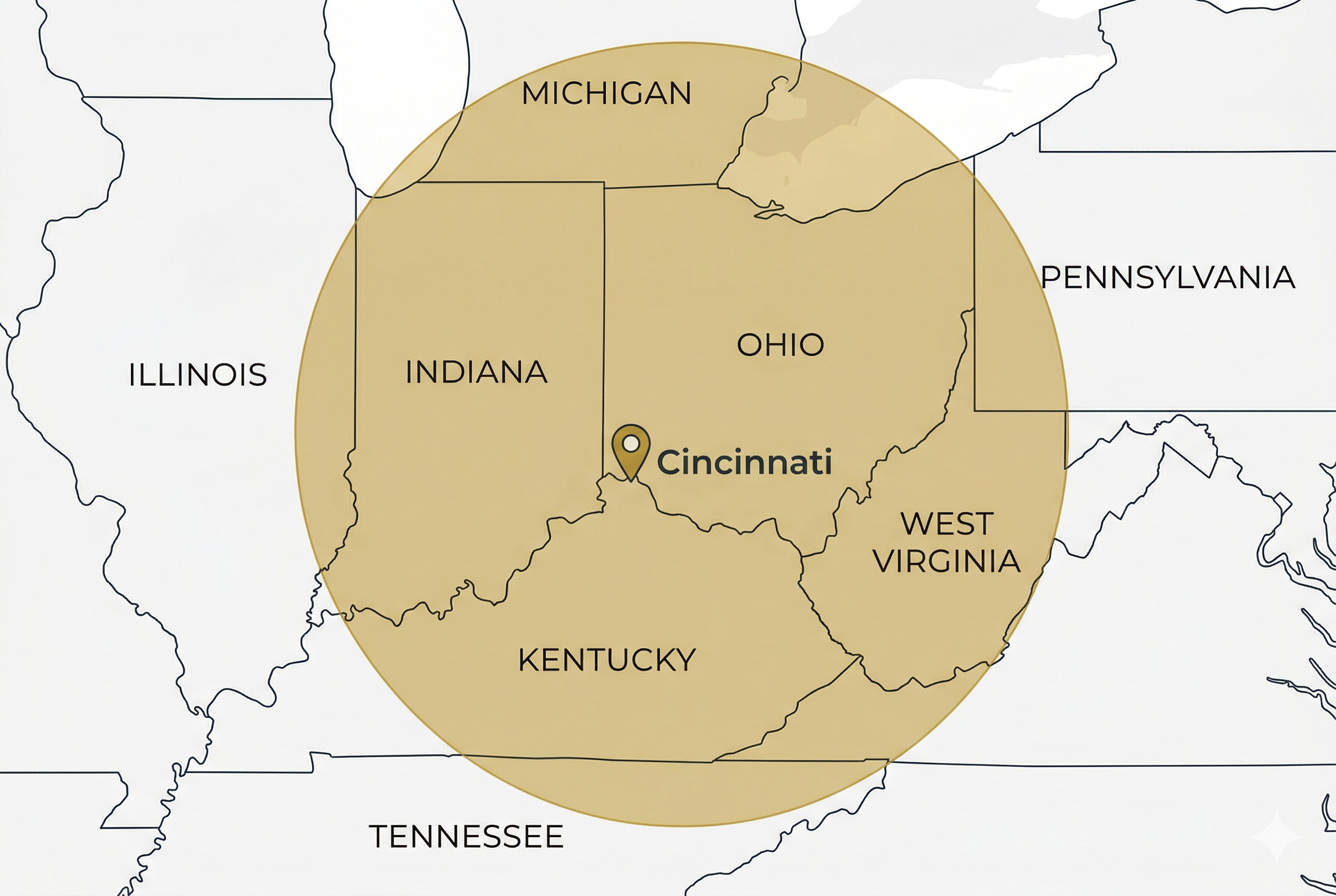
Mark Wieczorek represents students, faculty, and staff facing Title IX investigations at every campus within a six-hour drive of Cincinnati, Ohio. East Lansing is approximately 311 miles, or about 5 hours, from Cincinnati. Federal Title IX civil rights actions arising out of MSU sit in the Western District of Michigan and on appeal at the Sixth Circuit, the same circuit where Doe v. Baum and Doe v. Michigan State University were decided.
If you need a Michigan State University Title IX lawyer who knows the single-Resolution-Officer hearing format, the Doe v. MSU cross-examination right, the documented institutional posture around editing Title IX reports, and the Department of Education-mandated restructuring history, Mark Wieczorek’s prosecutorial background and Big Ten case strategy give Spartan respondents experience that out-of-region firms simply cannot match. Mark Wieczorek also represents students and faculty facing Title IX investigations at the University of Cincinnati, the Ohio State University, the University of Dayton, Miami University, Xavier University, the University of Louisville, Indiana University, the University of Illinois, Ohio University, the University of Michigan Title IX attorney, Purdue University, Penn State University, University of Tennessee, and Notre Dame. Each university has its own Title IX procedures, hearing formats, and institutional culture. Mark tailors his defense strategy to the specific school and its process. For an overview of his work across the Midwest, see Title IX defense practice.
Do Not Wait. Contact a Michigan State University Title IX Attorney Now.
Michigan State’s Title IX process moves on the institution’s timeline, not yours. The Office for Civil Rights and Title IX Education and Compliance contacts the complainant promptly, and a formal investigation can be initiated before you have any opportunity to consult counsel. Everything you say and do from the moment you receive the notice becomes part of the institutional record, and that record gets edited, summarized, and characterized by people whose interests do not align with yours.
Mark Wieczorek represents respondents at Michigan State University on a flat-fee basis with no hourly billing, no surprise invoices, and direct attorney access throughout the entire matter. The first call is free, and the entire engagement with your Michigan State University Title IX attorney is flat-fee. Calling a Michigan State University Title IX lawyer before any institutional meeting is the highest-value decision a Respondent can make.