
University of Dayton Title IX Attorney: Defense for Students and Faculty
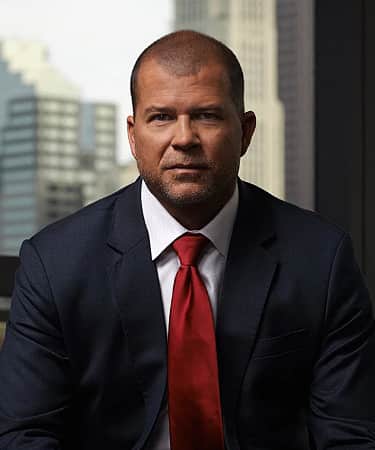
Experienced Title IX defense for UD students and faculty. Former prosecutor. Hundreds of sex crime cases handled.
Call (513) 540-0450 – Free Consultation
If you have been accused of sexual misconduct at the University of Dayton and are facing a Title IX investigation, you need to understand what you are up against. UD is a private institution. That distinction matters. At a public university like Ohio State or UC, you have constitutional due process protections. At UD, you do not. The university’s internal process is the only process, and the procedural safeguards are whatever UD decides they are.
Mark Wieczorek is a Title IX attorney based in Cincinnati who has successfully represented students and faculty at the University of Dayton. He knows UD’s Equity Compliance office, its hearing procedures, and the specific challenges that come with defending a case at a private institution.
Call (513) 540-0450 – Free Consultation
Proven Results at the University of Dayton
Professor Accused of Inappropriate Sexual Contact
Result: Case Dismissed. Full Tenure and Pension Retained.
A tenured professor at the University of Dayton faced accusations that threatened his career, his pension, and decades of professional work. Mark Wieczorek identified inconsistencies in the complainant’s account, procedural irregularities in the investigation, and evidentiary gaps that the university’s own process failed to address. The case was dismissed entirely. The professor continues to teach today.
Prior results do not guarantee a similar outcome. Each case is unique and must be evaluated on its own facts.
How UD’s Title IX Process Works
Understanding the University of Dayton’s specific procedures is essential to mounting an effective defense.
The Equity Compliance Office
UD’s Title IX function is administered by the Office of Equity Compliance, located in Marianist Hall Suite 240. The Title IX Coordinator is Maureen Anderson, JD, LLM, who serves as Executive Director of Equity Compliance and reports to the Associate VP of Audit, Risk and Compliance. UD has six Deputy Title IX Coordinators covering Student Development, the Provost’s office, the Law School, Graduate Affairs, and Athletics.
Reports can be filed online, by phone, email, or in person. All university employees, including student employees and resident assistants, are mandatory reporters and must report within 1 business day of learning about an incident.
The Investigation Phase
After a complaint is filed, the Title IX Coordinator conducts an initial assessment within 1 to 5 business days. There are three possible resolution paths: a supportive response only, an informal resolution, or a formal investigation and hearing.
If the case proceeds to formal investigation, two trained investigators gather evidence, interview parties and witnesses, and compile an evidence file. The investigation phase targets completion within 60 business days. Both parties receive the evidence file and have 10 days to review it and submit written responses before the hearing.
The Hearing
UD hearings are presided over by either a single Decision-Maker or a three-member panel with a designated Chair. Cross-examination must be conducted by your advisor, not by you directly.
An important detail: unlike some universities, UD will not provide you with an attorney even if the other party has one. If the complainant hires a lawyer to serve as their advisor, you need your own attorney. Walking into a hearing where the other side has legal representation and you do not is a serious disadvantage.
Standard of Evidence
The University of Dayton uses the preponderance of the evidence standard. The decision-maker only needs to believe it is more likely than not that the conduct occurred. This is a significantly lower bar than the beyond a reasonable doubt standard used in criminal court.
Sanctions
For students, sanctions range from written warning to expulsion:
- Written Warning – formal notice that the conduct was unacceptable
- Probation – specified period with conditions; further violations trigger more severe sanctions
- Suspension – separation from the university for a defined period
- Expulsion – permanent separation from the university
For faculty and staff, consequences can include termination, delay of tenure track, reassignment, and mandatory training.
Appeals
If you are found responsible, you have 5 business days to file an appeal. Three grounds are permitted:
- Procedural irregularity that materially affected the outcome
- Substantial new evidence unavailable at the time of the hearing
- Bias or conflict of interest by the Title IX Coordinator, investigator, or decision-maker
A three-member Appeal Review Committee decides by majority vote. Sanctions are stayed during the appeal. Once decided, the outcome is final. There are no further appeals. Outcomes from informal resolution are not appealable.
Emergency Removal
UD can impose an emergency removal (interim suspension) if the university determines there is an immediate threat to physical health or safety. This can happen before the investigation even begins. There is no appeal of an emergency removal decision. If you have been emergency removed, contact an attorney immediately.
Why UD Title IX Cases Are Different
The University of Dayton presents unique challenges for respondents that attorneys unfamiliar with private institutions often miss.
No constitutional due process. This is the single most important difference between UD and a public university like Ohio State or UC. At a public institution, the Fourteenth Amendment guarantees you certain procedural protections. At UD, you have no constitutional right to due process. Your protections are limited to whatever the university’s own policies provide. In Pierre v. University of Dayton (2015), a federal judge upheld UD’s disciplinary process even when a criminal prosecutor had declined to file charges on the same allegations. The court found that UD’s process was “fundamentally fair” under its own standards. An attorney who understands these limitations can maximize the procedural protections that do exist.
Marianist values shape institutional culture. UD is a Catholic Marianist university. While the university has not filed for a Title IX religious exemption and its nondiscrimination policy actually extends beyond federal minimums, the institutional culture influences how cases are perceived and adjudicated. An attorney who has worked within this environment understands the dynamics.
Broader jurisdiction than public universities. UD extends its Title IX jurisdiction beyond federal minimums to cover off-campus conduct. The university also requires mandatory reporting within 1 business day, a tighter timeline than many institutions.
The OCR resolution agreement. The Department of Education’s Office for Civil Rights investigated UD (Docket #15-13-2199) and entered into a resolution agreement with the university. Like the Strauss scandal at Ohio State, federal oversight creates institutional pressure to investigate and adjudicate aggressively.
As part of his broader Title IX defense practice, Mark Wieczorek has defended clients at UD and other institutions throughout Ohio and the Midwest. He understands how private and public university processes differ and adapts his defense strategy accordingly. For an overview of his statewide work, including case results across multiple Ohio campuses, see Title IX defense across Ohio.
Call (513) 540-0450 – Speak With Mark Directly
Supportive Measures During Your UD Title IX Case
While your case is pending, the University of Dayton is required to offer supportive measures. These are available without filing a formal complaint. They include:
- No-contact orders
- Housing relocation
- Academic accommodations including schedule changes, incompletes, and withdrawals
- Campus escort services
- Work environment modifications
- Counseling referrals
Confidential resources at UD that are exempt from mandatory reporting include the Counseling Center, the Health Center, Campus Ministry ordained clergy, and the Employee Assistance Program. All other employees must report.
Frequently Asked Questions: Title IX at UD
Can I bring a lawyer to a Title IX hearing at UD?
Yes. UD allows each party to have an advisor of their choosing, and that advisor can be an attorney. Cross-examination must be conducted by your advisor, not by you directly.
How long does a Title IX investigation take at UD?
UD targets completing the investigation within 60 business days, with the overall process from complaint to determination taking approximately 60 to 90 business days. Timelines vary depending on case complexity, number of witnesses, and scheduling. After the investigation concludes, both parties receive the evidence file and have 10 days to review it before the hearing.
What is the standard of evidence at UD Title IX hearings?
The University of Dayton uses the preponderance of the evidence standard, meaning the decision-maker determines whether it is more likely than not that a policy violation occurred. This is a lower bar than the beyond a reasonable doubt standard used in criminal courts.
What happens if I am found responsible for Title IX violations at UD?
Sanctions for students range from written warning to expulsion. Faculty and staff face outcomes up to termination, including delay of tenure track. Appeals must be filed within 5 business days of the written determination. Grounds for appeal include procedural irregularity, new evidence, or bias or conflict of interest by the decision-maker.
Title IX Defense at Other Midwest Universities
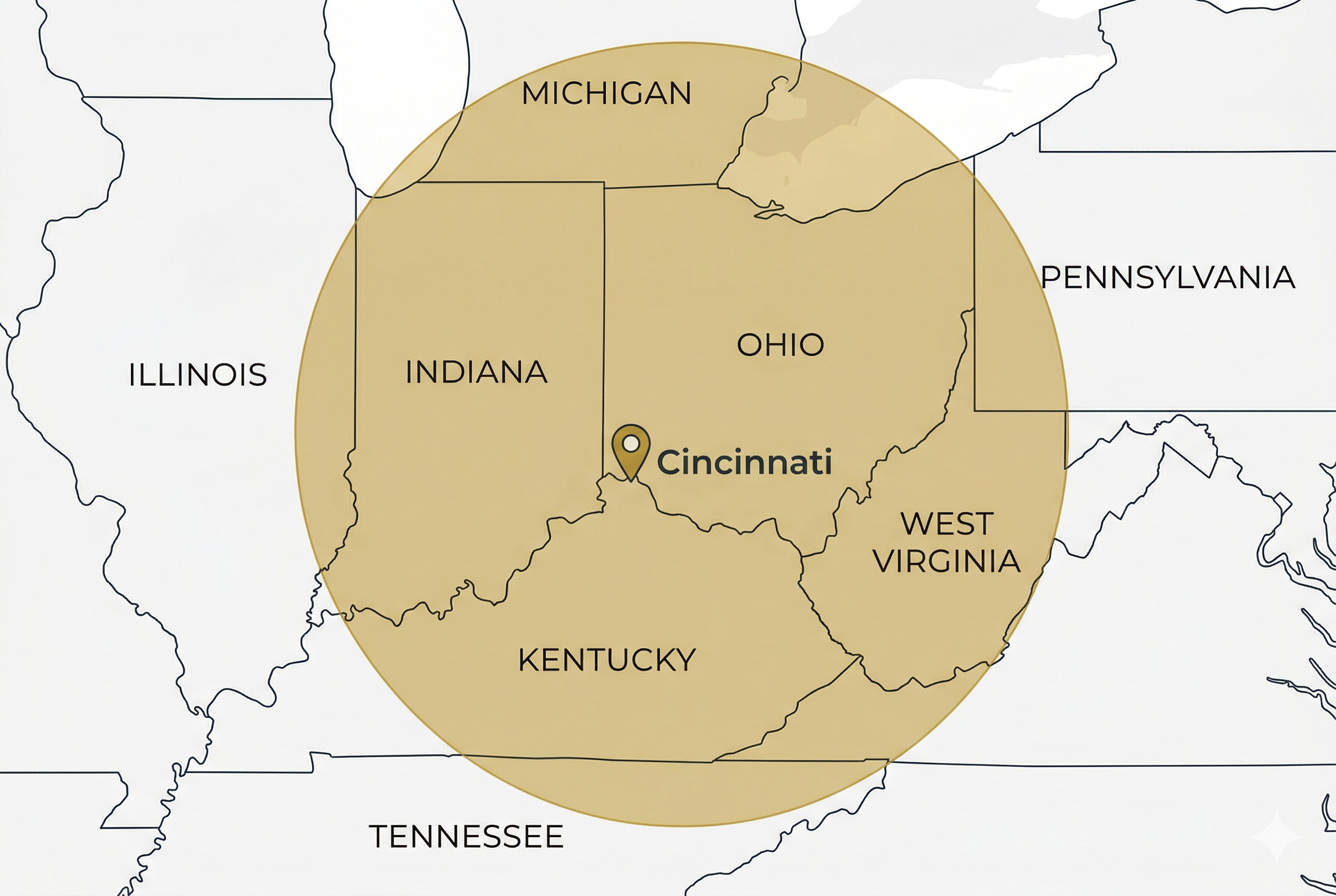
If you need a University of Dayton Title IX lawyer who knows UD’s Marianist culture, Pierre v. UD precedent, and how the OCR resolution shaped UD’s current process, Mark Wieczorek’s prosecutorial background and his UD professor case dismissal give Respondents experience that generic out-of-state firms simply cannot match. Mark Wieczorek also represents students and faculty facing Title IX investigations at the University of Cincinnati, Ohio State University, Miami University, Xavier University, the University of Louisville, Indiana University, the University of Illinois, Ohio University, the University of Michigan, Purdue University, Michigan State University, Penn State University, University of Tennessee, and Notre Dame. Each university has its own Title IX procedures, hearing formats, and institutional culture. Mark tailors his defense strategy to the specific school and its process.
Do Not Wait. Contact a University of Dayton Title IX Attorney Now.
UD’s mandatory reporting requirement means the Equity Compliance Office can learn about an allegation within hours. The Title IX Coordinator begins an initial assessment within 1 to 5 business days. Emergency removal can happen before the investigation even starts. Everything you say and do from the moment a report is filed becomes part of the record.
If you are a student, faculty member, or staff member at the University of Dayton facing a Title IX investigation, call Mark Wieczorek before you attend any meetings, respond to any emails, or make any statements.