
Ohio Title IX Defense Attorney: Defending Students, Faculty, and Coaches Across Every Ohio University
Ohio-based Title IX defense for students, faculty, coaches, and staff at every Ohio university. Former prosecutor. Hundreds of sex crime cases handled.
Call (513) 540-0450 – Free Consultation
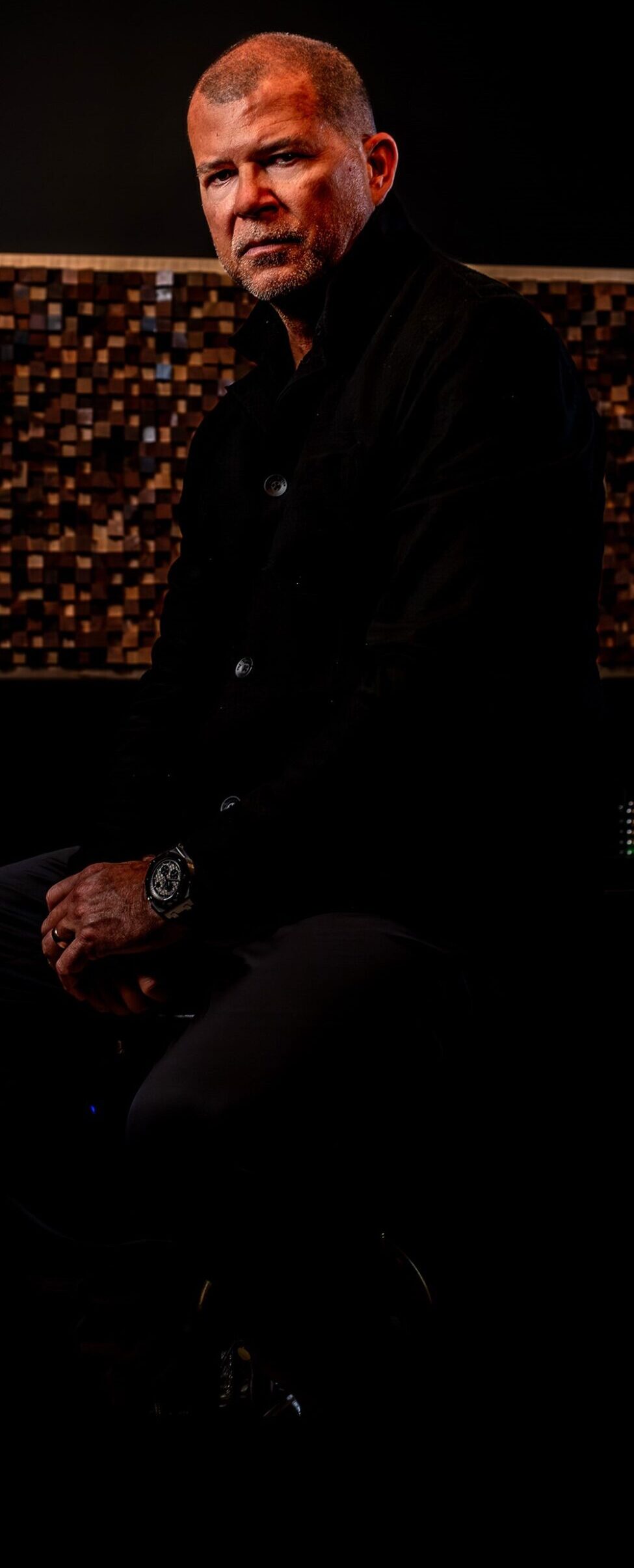
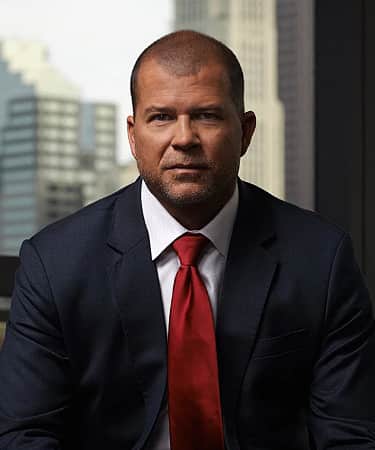
If you are a student, faculty member, coach, or staff member at an Ohio university facing a Title IX investigation, you need an attorney who actually practices in this state. Mark Wieczorek is a Cincinnati-based Title IX lawyer who represents Respondents at every major Ohio university. He is a former Ohio prosecutor, an Ohio Bar member, and the only attorney in the Cincinnati market with multiple published Ohio Title IX outcomes on record. The case results below are real Ohio cases he handled at the University of Cincinnati, the University of Dayton, and Miami University.
Ohio Title IX cases are governed by a layered framework: the federal Title IX statute and 2024 regulations, the Sixth Circuit’s binding due-process precedent (most importantly Doe v. University of Cincinnati, the case that defined what fairness looks like at a public Ohio university hearing), each university’s own published policy, and Ohio Revised Code provisions on campus sexual-violence response. A generalist attorney who knows none of this layer cake is not the right person to put between you and the institution. Mark does this work full time and has tried sex-related cases on both sides of the courtroom. Searching for a Title IX attorney Ohio families can actually meet with in person and reach by phone is exactly why this practice exists.
Call (513) 540-0450 – Free Consultation
Title IX Defense at Ohio’s Major Universities
Mark represents Respondents at every major Ohio university. Each campus has its own Title IX office, its own hearing procedures, and its own institutional culture. Click through for the campus-specific defense overview.
- University of Cincinnati Title IX defense – Public Big 12 university; ARC hearing process; landmark Doe v. UC due-process precedent; Mark has two published UC outcomes (one dismissal, one not-responsible).
- Ohio State Title IX defense – Public Big Ten flagship; single-decision-maker model; CRCO office; institutional context shaped by Strauss settlement and 50-year record retention.
- University of Dayton Title IX defense – Private Marianist Catholic; Pierre v. UD case law; Mark won a tenured-professor dismissal here with full pension retained.
- Miami University Title IX defense – Public regional flagship in Oxford; three-member Community Standards Board; Doe v. Miami 6th Cir. 2018; Mark obtained a not-individually-responsible result for a fraternity Respondent.
- Xavier University Title IX defense – Private Jesuit Catholic; dual-track Title IX and Interpersonal Violence policies; Wells v. Xavier precedent; small campus in Cincinnati.
- Ohio University Title IX defense – Public, Athens; dual-policy framework (03.004 Title IX + 40.001 civil rights); Kerri Griffin coordinator; Kalyango sanction history shapes current institutional posture.
We also accept matters at Bowling Green State University, Kent State University, Wright State University, Cleveland State, the University of Toledo, the University of Akron, John Carroll University, Case Western Reserve, Otterbein, Wittenberg, Denison, and other Ohio institutions where dedicated overview pages have not yet been published. The defense work is the same regardless of whether a school has a stand-alone overview page on this site.
Call (513) 540-0450 – Speak With Mark Directly
How Title IX Cases Work at Ohio Universities
Ohio is unusual in two ways. First, the state has a dense mix of public flagship campuses, public regional universities, and private religious institutions, each adjudicating Title IX through different procedures. Second, the federal due-process framework that constrains all public Ohio universities was largely written by a Title IX case from this state. Both facts matter to your defense.
Public vs. Private Ohio Universities
The five biggest public universities in Ohio (UC, OSU, Miami, OU, and Bowling Green) are state actors bound by the Fourteenth Amendment. That means a Respondent who is denied a fair process can sue the institution in federal court under 42 U.S.C. section 1983 for damages and injunctive relief. The federal venue is the Southern District of Ohio for cases at UC, Miami, Wright State, and Ohio University, and the Northern District of Ohio for cases at Ohio State (Columbus), Toledo, Akron, Kent State, and Cleveland State. Both districts feed into the United States Court of Appeals for the Sixth Circuit.
Ohio’s major private universities (the University of Dayton, Xavier, Case Western, John Carroll, Otterbein, Denison, Wittenberg, and Kenyon) are not state actors and are not bound by the Fourteenth Amendment. They are bound by the federal Title IX statute, by the contractual representations made in their own published Title IX policies, and by tort principles when those policies are breached. The remedies available after a procedurally defective private-university Title IX hearing are different from the remedies available after a public-university hearing, and the strategy must match the institution.
The Sixth Circuit Due-Process Framework
Two cases shape every public Ohio Title IX hearing. The first is Doe v. University of Cincinnati, 872 F.3d 393 (6th Cir. 2017). The Sixth Circuit held that a public university adjudicating a sexual-misconduct case where credibility is in dispute must afford the Respondent a meaningful opportunity to confront and cross-examine the accuser. The court reversed UC’s expulsion of a Respondent who had been disciplined without a real cross-examination opportunity. The opinion is the single most-cited 6th Circuit Title IX due-process case and is binding in every federal court across Ohio, Michigan, Kentucky, and Tennessee. UC’s current Administrative Review Committee process exists in roughly its present form because of Doe v. UC.
The second is Doe v. Baum, 903 F.3d 575 (6th Cir. 2018). The Sixth Circuit held that the University of Michigan denied due process by relying on a one-sided investigation report without a live hearing where credibility could be tested. Baum is the case that pushed every public university in the 6th Circuit, including every public Ohio university, into the live-hearing-with-cross-examination structure that defines Title IX adjudication today. Baum is binding in Ohio because Ohio is in the Sixth Circuit.
Together, these two opinions give an Ohio Respondent a powerful federal-court remedy when an institution skips a step, denies cross-examination, or pushes a finding through on a one-sided record. Preserving the record from the first interview forward is what makes those theories usable.
Ohio’s Common Procedural Elements
Although every Ohio university has its own policy, the procedural backbone is consistent across the state:
- Formal Complaint → Investigation → Live Hearing → Decision → Appeal. Each stage has documented timelines and named decision-makers.
- Preponderance of the evidence is the standard at every Ohio Title IX hearing.
- Cross-examination is conducted by each party’s Advisor, not by the parties themselves. The Advisor may be an attorney.
- The decision-maker rules on the relevance of every question before the witness answers.
- Appeal rights are limited and time-bound. Most Ohio universities give Respondents 5 to 10 business days from the decision notice to file. Missing that window forfeits the institutional appeal.
- Interim measures can issue at any time, including no-contact directives, emergency removal from campus, administrative leave, and interim suspension. Many Respondents are first contacted by Title IX counsel after a removal has already happened.
Federal Venue and OCR Region V
Federal Title IX civil-rights complaints filed against an Ohio university are routed through the U.S. Department of Education Office for Civil Rights, Region V, headquartered in Chicago. Region V also covers Illinois, Indiana, Michigan, Minnesota, and Wisconsin. An OCR complaint is a separate track from an institutional Title IX complaint and from a federal lawsuit. An experienced Title IX attorney evaluates which combination of these tracks fits the case.
Why Ohio Title IX Cases Are Different
Several features make Ohio’s Title IX environment distinctive, and any one of them can shape the defense.
Ohio is the jurisdiction that authored the modern 6th Circuit Title IX due-process framework. Doe v. UC was decided here in 2017 and is the case every Ohio Title IX office plans around. A Respondent at any public Ohio university can credibly invoke that precedent from day one of the investigation. Few states give a Respondent that kind of jurisdiction-specific advantage.
Ohio’s mix of public and private universities means a single defense playbook does not fit every case. The 14th Amendment due-process arguments that work at UC and OSU do not apply at UD or Xavier. Conversely, the contractual-policy and breach-of-implied-covenant theories that work at private campuses are much weaker at public ones. An attorney who treats every Ohio Title IX case the same way is missing the strongest arguments available in roughly half of them.
Ohio Greek life is densely concentrated and often a Title IX pressure point. Miami University has one of the highest Greek participation rates in the country (~33%). OSU has more than 65 chapters and more than 7,000 members. UC, Xavier, and Ohio University each have established Greek systems with their own internal disciplinary processes that overlap with Title IX. Allegations arising from chapter houses, recruitment events, and away-from-campus parties frequently trigger overlapping Title IX, university-wide Greek discipline, and criminal investigations at the same time.
Ohio campus police are sworn law-enforcement agencies, and parallel criminal investigations are common. The University of Cincinnati Police Department, the Ohio State University Police Division, the Miami University Police Department, the Ohio University Police Department, the Xavier University Police, and the University of Dayton Police are all sworn agencies with arrest authority. Statements made in a Title IX interview are routinely subpoenaed in the parallel criminal case. That exposure is the single biggest reason to consult a lawyer before the first interview.
Ohio is one of the few states where a Title IX defense attorney can credibly point to in-state outcomes. Mark has published case results at the University of Cincinnati, the University of Dayton, and Miami University. Each result is a real Ohio outcome, not a generic case study. The disclaimer below applies, but the institutional knowledge built across those cases is portable to every Ohio university we represent at.
As part of his broader Title IX defense practice, Mark Wieczorek represents Ohio Respondents alongside Respondents at universities throughout the Midwest. The Ohio cluster is the heart of his practice.
Call (513) 540-0450 – Speak With Mark Directly
Proven Results at Ohio Universities
Below are four Ohio Title IX outcomes Mark obtained for clients facing serious institutional discipline. Each is a real Ohio case at a real Ohio university.
University of Dayton: Professor Accused of Inappropriate Sexual Contact
Result: Case Dismissed. Full Tenure and Pension Retained.
A tenured professor at a private Ohio university faced accusations that threatened his career, his pension, and decades of professional work. Mark identified inconsistencies in the complainant’s account, procedural irregularities in the investigation, and evidentiary gaps that the institution’s own process failed to address. The case was dismissed entirely. The professor continues to teach today.
University of Cincinnati: Student Accused of Rape and Sexual Assault
Result: Case Dismissed Prior to Hearing.
A UC student faced allegations serious enough to result in immediate expulsion. Mark was retained early, before the investigation had fully taken shape. By challenging the reliability of witness accounts and identifying procedural deficiencies, the case was dismissed before a full hearing.
University of Cincinnati: Student Accused of Rape and Sexual Assault
Result: Not Responsible After Full Hearing.
In a separate matter, a second UC student faced rape and sexual-assault allegations that went to a full disciplinary hearing. Mark prepared an exhaustive defense, identified inconsistencies across multiple interviews, and presented a clear, evidence-based narrative to the hearing panel. The student was found not responsible.
Miami University: Student Accused of Title IX Sexual Assault and Hazing
Result: Not Individually Responsible. All Felony Charges Dismissed.
Mark represented an individual charged with Title IX sexual assault and hazing as a fraternity member. Over 20 individuals faced charges. Following a full hearing, the client was found not individually responsible and all felony charges were dismissed.
Disclaimer: Past results do not guarantee future outcomes. Each case is unique and must be evaluated on its own facts and circumstances.
Supportive Measures During Your Ohio Title IX Case
While your Ohio Title IX case is pending, the university is required to offer supportive measures at no cost. These are non-disciplinary and non-punitive, and a formal complaint is not required to receive them. Across Ohio universities, common supportive measures include:
- Counseling referrals and mental-health services
- Academic accommodations, including rescheduled exams, extensions, and class changes
- Housing relocation within the residence halls
- Mutual no-contact directives
- Work and class-schedule modifications
- Transportation and parking adjustments
- Campus escort services
- Leaves of absence
Every Ohio university we represent at also reserves the right to impose interim action, including removal from campus, administrative leave, or interim suspension. Interim action can happen before you have a chance to respond to the allegations. If you are notified of interim action, contact a Title IX attorney the same day.
Frequently Asked Questions: Title IX at Ohio Universities
Can I bring a lawyer to a Title IX hearing at an Ohio university?
Yes. Every public Ohio university and every private Ohio university we have audited permits an Advisor of Choice at the Title IX hearing, and policy expressly allows that advisor to be an attorney. At the live hearing, the parties themselves are not permitted to question the other party or witnesses directly. Cross-examination is conducted by each party’s Advisor. Choosing your own attorney as your Advisor places a trained questioner, working for your interests, into that role.
Are private and public Ohio universities treated differently under Title IX?
Yes, in one critical respect. Public Ohio universities (UC, OSU, Miami, OU, and others) are state actors bound by the Fourteenth Amendment, which means a Respondent who is denied a fair process can sue in federal court under 42 U.S.C. section 1983. Private Ohio universities (UD, Xavier, Case Western, John Carroll, and others) are bound only by their own published procedures and contractual obligations. Both adjudicate Title IX cases through internal processes, but the federal-court remedies available afterward differ. The defense strategy must match the institution.
What is the standard of evidence at Ohio Title IX hearings?
Every Ohio Title IX policy we have audited applies the preponderance of the evidence standard. The decision-maker needs only to conclude that the conduct more likely than not occurred. That is a significantly lower bar than the beyond a reasonable doubt standard used in criminal court, which is one of the reasons Title IX investigations are so consequential even when no criminal charges are filed.
Does Doe v. University of Cincinnati apply to my case?
If you are a student or employee at any public Ohio university, yes. Doe v. University of Cincinnati, 872 F.3d 393 (6th Cir. 2017), is binding precedent in every federal court in Ohio, Michigan, Kentucky, and Tennessee. The Sixth Circuit held that a public university disciplining a student in a sexual-misconduct case must afford basic due-process protections, including the opportunity to confront and cross-examine an accuser whose credibility is in dispute. That precedent is the foundation of every modern public-university Title IX procedure in Ohio. Preserving the procedural record from the first interview forward is what makes that theory usable later.
How quickly do I need to retain a Title IX attorney in Ohio?
Immediately. The first interview, the first email response, and the first hearing date are decided in the first week of the case. Every Ohio Title IX office can impose interim measures, including removal from campus, administrative leave, and interim suspension, before a single allegation is responded to. Statements made in a Title IX interview can be obtained in a parallel criminal case. The wrong defense in the first 72 hours is a record problem that the rest of the case has to live with. Calling an attorney before any Title IX meeting is the single highest-value decision in the case.
Title IX Defense Beyond Ohio
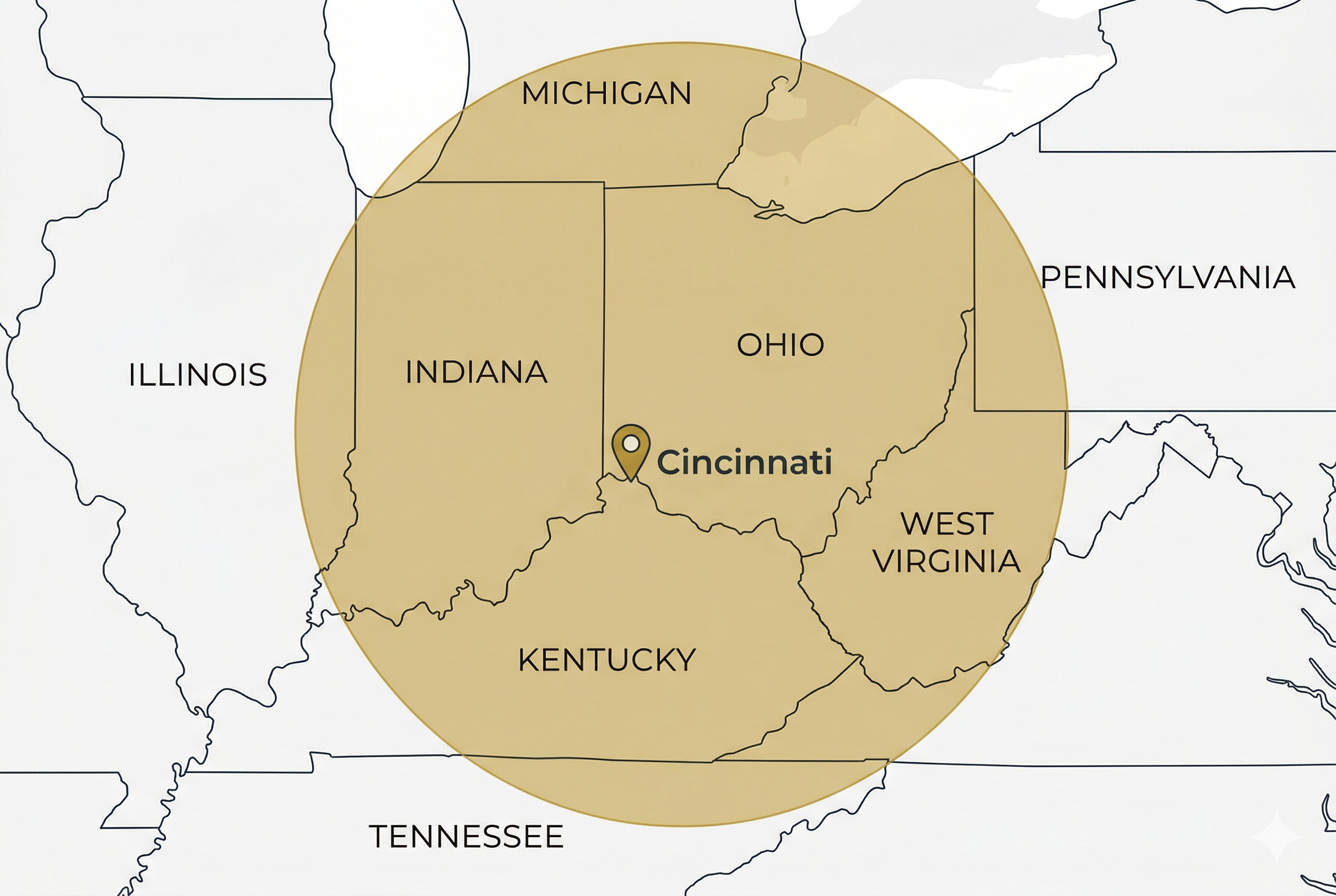
Mark also represents Respondents at universities outside Ohio that fall within the Cincinnati office’s six-hour service radius, including the University of Louisville, Indiana University, Purdue University, the University of Illinois, the University of Michigan, Michigan State University, and Penn State University. Each campus has its own Title IX procedures, hearing formats, and institutional culture. The defense playbook is built around the specific school.
Do Not Wait. Contact an Ohio Title IX Lawyer Now.
Ohio Title IX investigations move quickly. A formal complaint can be opened within days of a report. Interim action can separate you from classes, housing, or campus before you have responded to a single allegation. The 5-to-10-business-day appeal windows at most Ohio universities mean the procedural path of your case is set in the first week. The wrong defense in front of the wrong decision-maker is no defense at all.
Ohio is the jurisdiction that produced the controlling 6th Circuit Title IX due-process precedent. The institutional pressure to act decisively has not diminished. If you are a student, faculty member, coach, or staff member at any Ohio university facing a Title IX investigation, call Mark Wieczorek before you attend any meetings, respond to any emails, or make any statements. The first call is free and the entire engagement with your Ohio Title IX attorney is flat-fee. Calling an Ohio Title IX lawyer before any institutional meeting is the highest-value decision a Respondent can make.