

Title IX Advisor: Why Your Campus-Provided Advisor Can’t Defend You
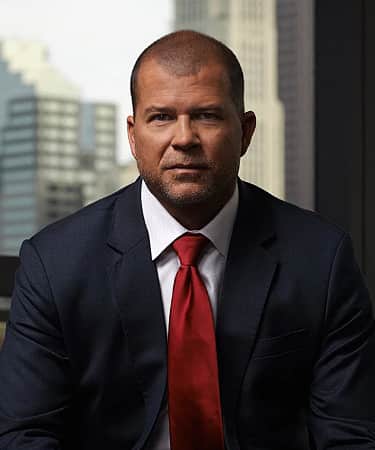
Experienced Title IX defense for the advisor role. Former prosecutor. Hundreds of sex crime cases handled.
Call (513) 540-0450 – Free Consultation
When a Title IX notice arrives, the first decision most respondents face is whether to use the advisor the university offers or to retain their own. The university’s offer sounds reasonable. The campus advisor is free, familiar with the process, and available immediately. Many respondents accept the offer without thinking twice. That decision frequently determines the outcome of the case.
Federal Title IX regulations under 34 CFR Part 106 give every party the right to an advisor of choice. The advisor can be anyone the party selects, including a parent, a friend, a faculty member, or an attorney. The university must permit the advisor to attend interviews and the hearing, and at the live hearing, the advisor conducts cross-examination of the other party and adverse witnesses. The party cannot cross-examine personally. The advisor does.
What the regulations do not require is that the advisor have any particular training, license, or experience. A campus-provided advisor may be a staff member with a one-day Title IX training. The complainant’s advisor may be a seasoned attorney. The federal framework treats these advisors as equivalent. The result inside the hearing room is anything but.
What a Campus-Provided Advisor Actually Does
Universities offer advisors to comply with the regulatory requirement. The campus advisor’s role is typically to walk the respondent through the procedural calendar, explain what to expect at each stage, attend interviews as a passive observer, and conduct the cross-examination at the hearing. The advisor is not the respondent’s attorney. The advisor does not provide legal advice. The advisor does not strategize the defense.
That last point is the one most respondents miss. The campus advisor is not building a defense. The campus advisor is administering the process on the university’s side of the table. The training the university provides to its advisors is designed to ensure the process runs smoothly, not to maximize the respondent’s chances of a favorable outcome.
The Five Things a Campus Advisor Cannot Do That an Attorney Can
The gap between a campus advisor and an experienced Title IX defense attorney shows up in five specific ways that frequently decide cases.
1. Effective cross-examination. Cross-examination of a hostile witness in a recorded proceeding is not a skill learned in a one-day training. It requires pacing, pattern recognition, the ability to identify inconsistencies between hearing testimony and prior statements, and the discipline to control the witness without alienating the decision-maker. Attorneys with prosecutorial or trial experience perform this role substantially better than untrained advisors.
2. Identifying procedural irregularities. Federal Title IX regulations create specific procedural protections for the respondent. Each protection that is missed during the investigation becomes either a basis for a hearing defense or grounds for an appeal. An experienced attorney reading the investigation file identifies these issues. A campus advisor typically does not.
3. Coordinating with parallel criminal exposure. Statements made in a Title IX proceeding without counsel can typically be subpoenaed by law enforcement and used in a parallel criminal trial. Tennessee has a specific evidentiary shield statute (T.C.A. section 24-7-102) that protects these statements, but only if the respondent had active assistance of counsel during the disciplinary proceeding. Most other states have no such protection. A campus advisor cannot make strategic decisions that account for both proceedings simultaneously.
4. Preserving the appeal. Most Title IX hearings allow only narrow grounds for appeal: procedural irregularity that affected the outcome, new evidence not reasonably available at the time of the hearing, and conflicts of interest or bias. An attorney builds the procedural record during the investigation and hearing specifically to preserve these grounds. A campus advisor typically does not.
5. Negotiating outside the formal process. Many Title IX cases resolve through informal resolution agreements, voluntary withdrawals, or sanctions that fall below the maximum the policy permits. These outcomes require attorney-to-attorney communication with the Title IX office and the university’s general counsel. Campus advisors do not have this access or the authority to negotiate on the respondent’s behalf.
Call (513) 540-0450 – Free Consultation
When the Choice of Advisor Decides the Case
Several patterns recur in Title IX cases where the choice of advisor proved decisive. Cases where the respondent’s first interview produced damaging admissions that an attorney would have prevented. Cases where evidence-review windows passed without a substantive written response identifying procedural problems. Cases where the hearing cross-examination consisted of the campus advisor reading scripted questions while the complainant’s attorney systematically dismantled the respondent’s account. Cases where parallel criminal investigations escalated because Title IX statements were subpoenaed and used against the respondent in criminal court.
The respondents in these cases did not realize the choice mattered. They accepted the campus advisor in good faith. By the time the implications became clear, the procedural record had closed.
What an Experienced Title IX Defense Attorney Brings to the Advisor Role
An experienced Title IX defense attorney functions differently from a campus advisor at every stage. During the investigation, the attorney reviews the notice for specific procedural triggers, identifies the policy provisions invoked, calculates the deadlines that bind the university, and prepares the respondent for each interview with cross-examination practice and document review. During evidence review, the attorney reads the file for procedural defects and inconsistencies the investigator missed, drafts a written response that preserves every objection, and identifies grounds for appeal even before the hearing convenes. At the hearing, the attorney cross-examines the complainant and adverse witnesses with the skills developed through actual trial experience. After the hearing, the attorney preserves the record for appeal and coordinates with any parallel criminal counsel.
For more detail on what to expect during the investigation phase specifically, see our Title IX investigation guide. For the hearing phase, see our Title IX hearing process guide.
Call (513) 540-0450 – Free Consultation
Frequently Asked Questions About Title IX Advisors
What is a Title IX advisor?
A Title IX advisor is the person who accompanies a party through the formal Title IX disciplinary process under 34 CFR Part 106. The advisor can be anyone the party chooses, including a parent, friend, faculty member, or attorney. At the live hearing, federal Title IX regulations require that cross-examination of the other party and adverse witnesses be conducted by the advisor, not by the party personally.
Does a Title IX advisor have to be an attorney?
No. Federal Title IX regulations allow any advisor of choice. Universities often provide a campus advisor at no cost. But the choice of advisor frequently determines the outcome of the case.
Why can’t a campus-provided advisor defend me effectively?
Campus advisors are institutionally constrained. They work for the university, are trained on the university’s procedures, and have no incentive to push back on procedural shortcuts or weak evidence the way an independent defense attorney does. Most campus advisors are not licensed attorneys. Many have never conducted a cross-examination in any forum.
When should I hire a Title IX defense attorney instead of using a campus advisor?
Anytime the case involves serious sanctions exposure (suspension, expulsion, tenure loss), parallel criminal investigation, contested factual allegations, or a complainant represented by a strong advisor. In practice this means: most Title IX cases. The decision should be made early, ideally before the first investigator interview, because statements made without counsel are typically not protected from later use in civil or criminal proceedings.
Hire a Title IX Defense Attorney in Cincinnati, Ohio
The decision about advisor should be made before the first investigator interview. Statements that feel natural and exculpatory in conversation can look devastating in a written report read months later by a decision-maker who never met you. The campus advisor is not in a position to prevent this. An experienced Title IX defense attorney is.
The Wieczorek Law Firm provides Title IX defense as an advisor of choice for students, faculty, and coaches at universities across the Midwest and Southeast. Mark Wieczorek is a former Hamilton County prosecutor who trained law enforcement on sexual assault investigations and now brings that prosecutorial insight to the defense side. Our active practice covers the University of Cincinnati, Ohio State, Indiana University, University of Michigan, University of Tennessee, Vanderbilt, and other Midwest universities. Title IX defense is offered on a flat-fee basis.