

Ohio State Title IX Attorney: Defense for Students, Faculty, and Staff
Experienced Title IX defense for OSU students and faculty. Former prosecutor. Hundreds of sex crime cases handled.
Call (513) 540-0450 – Free Consultation
If you have been accused of sexual misconduct at Ohio State University and are facing a Title IX investigation, you are up against one of the largest and most complex university disciplinary systems in the country. With more than 67,000 students across six campuses, OSU’s Civil Rights Compliance Office handles a high volume of cases. The process is bureaucratic, the stakes are severe, and the institution has a documented history of failing to protect the rights of the accused.
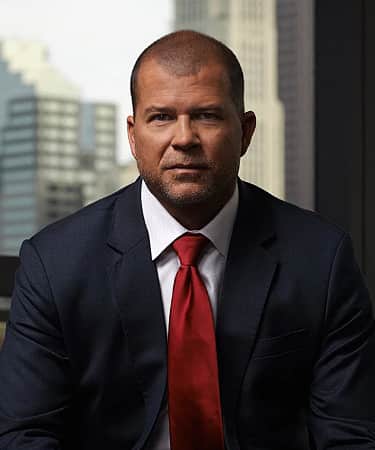
Mark Wieczorek is a Title IX attorney based in Cincinnati who represents students, faculty, and staff at Ohio State. As a former prosecuting attorney with experience in hundreds of sex crime-related cases, he understands how investigations are built, where procedural errors occur, and how to dismantle a case before it reaches a hearing.
Call (513) 540-0450 – Free Consultation
How Ohio State’s Title IX Process Works
Understanding OSU’s specific procedures is critical to building an effective defense. Ohio State’s process differs from other Ohio universities in important ways.
The Civil Rights Compliance Office (CRCO)
Ohio State’s Title IX function is administered by the Civil Rights Compliance Office, formerly called the Office of Institutional Equity. The CRCO reports to the Office of University Compliance and Integrity. The Title IX Coordinator is Melissa Mayhan. Reports can be filed in person, by phone, email, or through an online form. All university employees, including student employees, are mandatory reporters.
The Investigation Phase
After a formal complaint is approved, CRCO investigators gather evidence, interview parties and witnesses, and prepare an investigative report summarizing all relevant evidence. Both parties receive the report and have 10 calendar days to review it and submit written responses. This review period is one of the most important windows in the entire process. An experienced attorney can identify weaknesses in the investigation, challenge the reliability of witness statements, and prepare a written response that shapes the hearing before it begins.
The Hearing: Single Decision-Maker Model
Unlike many universities that use a panel or committee, Ohio State uses a single Resolutions Officer to preside over hearings and make the determination. This is a significant difference. Your case is decided by one person, not a group. All hearings are currently conducted over Zoom and typically last 3 to 5 hours.
Key rules you need to know:
- Cross-examination must be conducted by your advisor, not by you directly
- If you do not have an advisor, OSU will provide one at no charge, but that person is not your attorney and is not advocating for you
- The Resolutions Officer reviews every question for relevance before it is answered
- If a party or witness does not submit to cross-examination, the Resolutions Officer cannot rely on any statement from that person in making a determination
- Both parties receive at least 10 business days’ notice before the hearing date
The cross-examination rule is critical. If the complainant does not appear for cross-examination, their prior statements cannot be used against you. An experienced Title IX lawyer knows how to leverage this procedural protection.
Standard of Evidence
Ohio State uses the preponderance of the evidence standard. The Resolutions Officer only needs to believe it is more likely than not that the conduct occurred. This is a significantly lower bar than the beyond a reasonable doubt standard in criminal court. You are presumed not responsible until a determination is made after the hearing.
Informal Resolution
OSU offers a voluntary informal resolution process as an alternative to a full investigation and hearing. However, informal resolution is not available when an employee respondent faces a student complainant. If informal resolution is appropriate for your case, potential outcomes include educational training, mediation, and preventative agreements.
Sanctions
For students, sanctions range from formal reprimand to permanent dismissal:
- Formal Reprimand – written notice, not on your transcript but part of your disciplinary record
- Probation – warning status lasting one semester to indefinitely; may limit study abroad eligibility
- Suspension – you are withdrawn from classes without credit and barred from campus and university events
- Dismissal – permanent separation; you are barred from campus and cannot petition to re-enroll
For faculty and staff, corrective action is determined through Human Resources or the Faculty Rule 3335-5-04 process, which can include termination, loss of tenure, and loss of pension benefits.
Appeals
If you are found responsible, you have 5 business days from receipt of the outcome to file an appeal. There are three permitted grounds:
- Procedural error that resulted in material harm preventing fair proceedings
- Substantial new evidence unavailable at the time of the hearing
- Grossly disproportionate sanctions relative to the circumstances
Do not wait until after the hearing to think about appeals. An experienced attorney builds the appeal record from the beginning of the process.
Why OSU Title IX Cases Require an Experienced Attorney
Ohio State’s Title IX environment has unique characteristics that make experienced legal representation essential.
The Strauss scandal changed everything. Between 1978 and 1998, Dr. Richard Strauss sexually abused at least 177 male students while employed as a university physician. OSU has paid more than $60 million in settlements to over 300 survivors. The scandal led to sweeping reforms in how OSU handles sexual misconduct allegations. The institutional pressure to investigate and adjudicate aggressively is real and well-documented.
The single decision-maker model raises the stakes. At most universities, a panel of three or more people deliberates and votes on your case. At Ohio State, one person hears your case, evaluates the evidence, and makes the determination alone. This concentrates enormous power in one individual. Your attorney needs to understand how to present a defense to a single decision-maker, not a jury or panel.
The cross-examination rules are your most powerful tool. If the complainant does not submit to cross-examination, their statements cannot be used against you. This is not automatic. It requires an attorney who understands the procedural framework and knows how to enforce it.
Record retention is severe. If you fail to complete sanctions or comply with conditions, OSU retains your disciplinary records for up to 50 years. A finding of responsibility can follow you for decades.
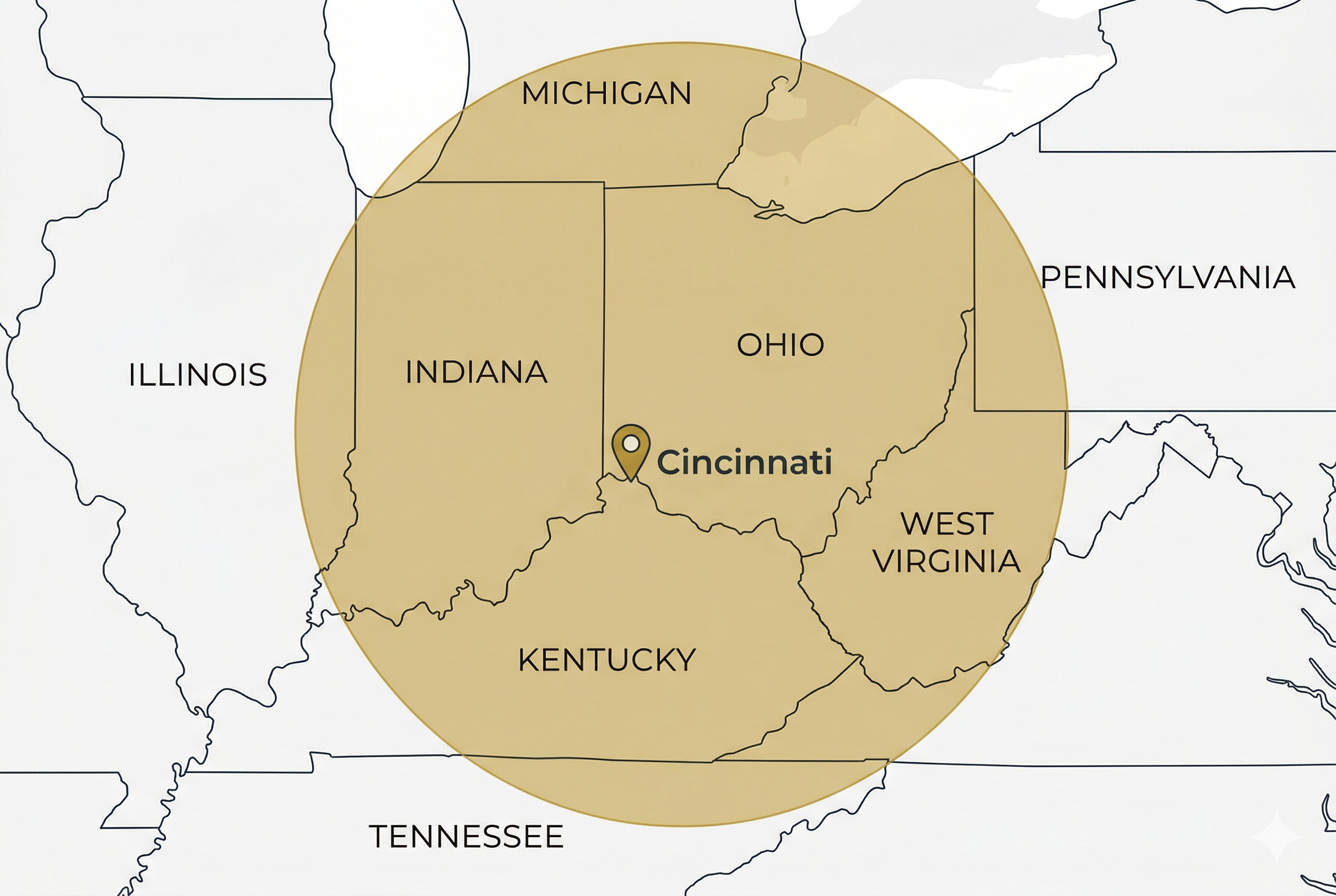
As part of his broader Title IX defense practice, Mark Wieczorek represents clients at universities throughout Ohio and the Midwest. He understands how each institution’s process creates unique pressure points and opportunities for the defense.
Call (513) 540-0450 – Speak With Mark Directly
Supportive Measures During Your OSU Title IX Case
While your case is pending, Ohio State is required to offer supportive measures at no cost. These are non-disciplinary and non-punitive, and available to both parties. They include:
- Mutual no-contact directives
- Changes to class schedules, work schedules, or housing
- Academic adjustments including deadline extensions
- Campus escort services
- Referrals to counseling, health services, and advocacy resources
- Assistance filing academic petitions
Confidential resources at OSU that are exempt from mandatory reporting include Counseling and Consultation Service (CCS), Student Health Services, the Employee Assistance Program, and Student Legal Services.
Frequently Asked Questions: Title IX at Ohio State
Can I bring a lawyer to a Title IX hearing at Ohio State?
Yes. Ohio State allows each party to have an advisor of their choosing, and that advisor can be an attorney. In Title IX cases, cross-examination must be conducted by your advisor, not by you directly. If you do not have an advisor, OSU will provide one at no charge, but that person will not be an experienced Title IX attorney. Having your own attorney conduct cross-examination is critical to your defense.
How long does a Title IX investigation take at Ohio State?
The Department of Education recommends resolution within 60 days, but Ohio State does not guarantee this timeline. Cases frequently extend beyond 60 days depending on the number of witnesses, complexity of the evidence, and scheduling. Once the investigation concludes, both parties receive the investigative report and have 10 calendar days to review and respond before the hearing is scheduled.
What is the standard of evidence at Ohio State Title IX hearings?
Ohio State uses the preponderance of the evidence standard, meaning the Resolutions Officer decides whether it is more likely than not that a policy violation occurred. This is a lower bar than the beyond a reasonable doubt standard used in criminal courts. You are presumed not responsible until a determination is made after the hearing.
What happens if I am found responsible for Title IX violations at Ohio State?
Sanctions for students range from formal reprimand to permanent dismissal. Suspension means you are withdrawn from classes without credit and barred from campus. Dismissal is permanent and cannot be reversed through a petition to re-enroll. Faculty and staff face corrective action through Human Resources or the Faculty Rule 3335-5-04 process, which can include termination. Appeals must be filed within 5 business days of the outcome.
Title IX Defense at Other Ohio Universities
Mark Wieczorek also represents students and faculty facing Title IX investigations at the University of Cincinnati and the University of Dayton. Each university has its own Title IX procedures, hearing formats, and institutional culture. Mark tailors his defense strategy to the specific school and its process.
Do Not Wait. Contact an Ohio State Title IX Attorney Now.
Ohio State’s Title IX process begins the moment a report is filed. The CRCO will contact the complainant promptly, and a formal investigation can be approved before you even know it is happening. Everything you say and do from that point forward becomes part of the record.
If you are a student, faculty member, or staff member at Ohio State University facing a Title IX investigation, call Mark Wieczorek before you attend any meetings, respond to any emails, or make any statements.