
University of Cincinnati Title IX Attorney: Defense for Students and Faculty
Experienced Title IX defense for UC students and faculty. Minutes from campus. Hundreds of sex crime cases handled.
Call (513) 540-0450 – Free Consultation
If you have been accused of sexual misconduct at the University of Cincinnati and are facing a Title IX investigation, you are dealing with one of the most aggressive Title IX enforcement environments in Ohio. UC has paid out more than $5.5 million in Title IX-related settlements since 2017 and has faced multiple simultaneous Department of Education investigations. The process moves fast, the stakes are severe, and the institution’s track record shows a pattern of procedural problems that have harmed respondents.
Mark Wieczorek is a Cincinnati-based Title IX attorney and lawyer who has successfully defended multiple UC students and faculty members accused of sexual misconduct. His office is minutes from campus. He knows UC’s Title IX office, its Administrative Review Committee hearing process, and where the university’s procedures create opportunities for the defense.
Call (513) 540-0450 – Free Consultation
Proven Results at the University of Cincinnati
Mark Wieczorek has defended multiple clients facing Title IX allegations at UC. These are real outcomes from real cases.
Case Dismissed Prior to Hearing
A UC student was accused of rape and sexual assault. The allegations were serious enough to result in immediate expulsion. Mark was retained early, before the investigation had fully taken shape. By challenging the reliability of witness accounts and identifying procedural deficiencies in UC’s investigation, he demonstrated that the allegations lacked the evidentiary support necessary to proceed. The case was dismissed before it ever reached an Administrative Review Committee hearing.
Not Responsible After Full Hearing
In a separate matter, a second UC student faced rape and sexual assault allegations that went to a full ARC hearing. Mark prepared an exhaustive defense, identified inconsistencies across multiple witness interviews, and presented a clear, evidence-based narrative to the three-member hearing panel. The student was found not responsible. He continued his education without suspension, without expulsion, and without a finding on his record.
Prior results do not guarantee a similar outcome. Each case is unique and must be evaluated on its own facts.
How UC’s Title IX Process Works
Understanding UC’s specific procedures is critical to building an effective defense. Here is what happens when you are accused.
The Investigation Phase
Within 48 hours of receiving a report, UC’s Title IX Coordinator or a designee contacts the reporter. Within 7 days of a formal complaint being filed, a Deputy Title IX Coordinator initiates a meeting with the respondent. You will receive notice of the allegations, a copy of the relevant policies, and an explanation of the process. The investigation begins within 14 days and includes interviewing witnesses and reviewing evidence. Both parties have equal opportunity to submit documents and identify witnesses.
UC’s Title IX function is administered through two offices: the Office of Gender Equity and Inclusion and the Office of Equal Opportunity, both under the Division of Ethics, Compliance and Community Impact. If you are at UC Blue Ash or UC Clermont, be aware that each branch campus has its own Deputy Title IX Coordinator.
The Administrative Review Committee (ARC) Hearing
UC uses a three-member panel called the Administrative Review Committee, drawn from a pool of faculty and staff selected by the Director of Student Conduct and Community Standards. This is the body that will determine whether you are responsible.
Key timelines you need to know:
- 3 days after hearing notice: deadline to challenge ARC panel members
- 5 days after hearing notice: submit your witness list and additional evidence
- 5 days before the hearing: all evidence is shared between parties
- 24 hours before the hearing: notify Student Conduct if an attorney will attend as your advisor
You are allowed up to two advisors, and those advisors can be attorneys. Your attorney can consult with you during the hearing and conduct cross-examination of witnesses on your behalf. Hearings are closed to the public and recorded by the university. Deliberations are not recorded.
UC uses the preponderance of the evidence standard. The panel only needs to believe it is more likely than not that the conduct occurred. This is a significantly lower bar than criminal court.
Informal Resolution
UC offers a voluntary informal resolution process as an alternative to a full investigation and hearing. Potential outcomes include educational training, mediation, and preventative agreements. However, informal resolution is not available when an employee is accused of sexually harassing a student.
Appeals
If you are found responsible, you have 5 business days from receipt of the written determination to file a written appeal. The appeal must state the specific basis and reasoning. Do not wait until after the hearing to think about your appeal strategy. An experienced attorney prepares for the appeal from the beginning.
Why UC Title IX Cases Require Local Counsel
UC’s Title IX environment has unique characteristics that an attorney unfamiliar with the university would miss.
The Doe v. University of Cincinnati precedent. In 2017, the Sixth Circuit Court of Appeals upheld an injunction preventing UC from suspending a student accused of sexual assault after a Tinder encounter. The court found that UC violated due process by denying the accused a meaningful opportunity to challenge the complainant’s credibility when the complainant did not appear at the hearing. This ruling applies to every public university in Ohio, Kentucky, Michigan, and Tennessee. Mark uses this precedent when it applies to your case.
UC’s settlement history. Between 2017 and 2022, UC paid out over $5.5 million across 23 Title IX-related settlements. That is more than five other Ohio universities combined. This pattern suggests systemic procedural issues that an experienced attorney can identify and challenge.
ARC panel composition has been challenged. In the Noakes v. University of Cincinnati case, a respondent alleged that UC used paid outside consultants on its hearing panels, creating a potential bias. These are the kinds of institutional details that a national firm flying in from New York will not know.
Mark Wieczorek’s office is minutes from UC’s campus. He has defended multiple clients through UC’s specific process. As part of his broader Title IX defense practice, he knows the people, the procedures, and the pressure points. For an overview of his statewide work, including case results across multiple Ohio campuses, see Title IX defense across Ohio.
Call (513) 540-0450 – Speak With Mark Directly
Supportive Measures During Your UC Title IX Case
While your case is pending, UC is required to offer supportive measures at no cost. These are non-disciplinary and non-punitive. They include:
- Mutual no-contact orders
- Changes to academic schedules or living arrangements
- Modifications to work schedules or job assignments
- Free counseling through Counseling and Psychological Services (CAPS)
- Academic support services
- Escort services on campus
Confidential resources at UC that are exempt from mandatory reporting include Counseling and Psychological Services and University Health Services.
Frequently Asked Questions: Title IX at UC
Can I bring a lawyer to a Title IX hearing at UC?
Yes. UC allows respondents to have up to two advisors of their choosing at the hearing, and those advisors can be attorneys. Your advisor conducts cross-examination of witnesses on your behalf. Having an experienced Title IX attorney handle cross-examination can be the difference between a not-responsible finding and a life-altering sanction.
How long does a Title IX investigation take at UC?
UC’s policy requires the Title IX Coordinator to contact the reporter within 48 hours and initiate a meeting with the respondent within 7 days. The investigation phase begins within 14 days. However, the total timeline from complaint to hearing varies significantly depending on the complexity of the case, the number of witnesses, and scheduling. Some cases resolve in weeks. Others take months.
What is UC’s standard of evidence in Title IX cases?
UC uses the preponderance of the evidence standard, meaning the hearing panel decides whether it is more likely than not that a policy violation occurred. This is a lower bar than the beyond a reasonable doubt standard used in criminal courts. It means the panel only needs to believe there is a 50.1% likelihood that the conduct occurred to find you responsible.
What happens if I am found responsible for Title IX violations at UC?
Sanctions range from educational training and probation to suspension and expulsion. For students, a finding of responsibility can result in a permanent notation on your academic record, loss of campus housing, and restrictions on re-enrollment. For faculty and staff, consequences can include termination, loss of tenure, and loss of pension benefits. Appeals must be filed within 5 business days of the written determination.
Title IX Defense at Other Midwest Universities
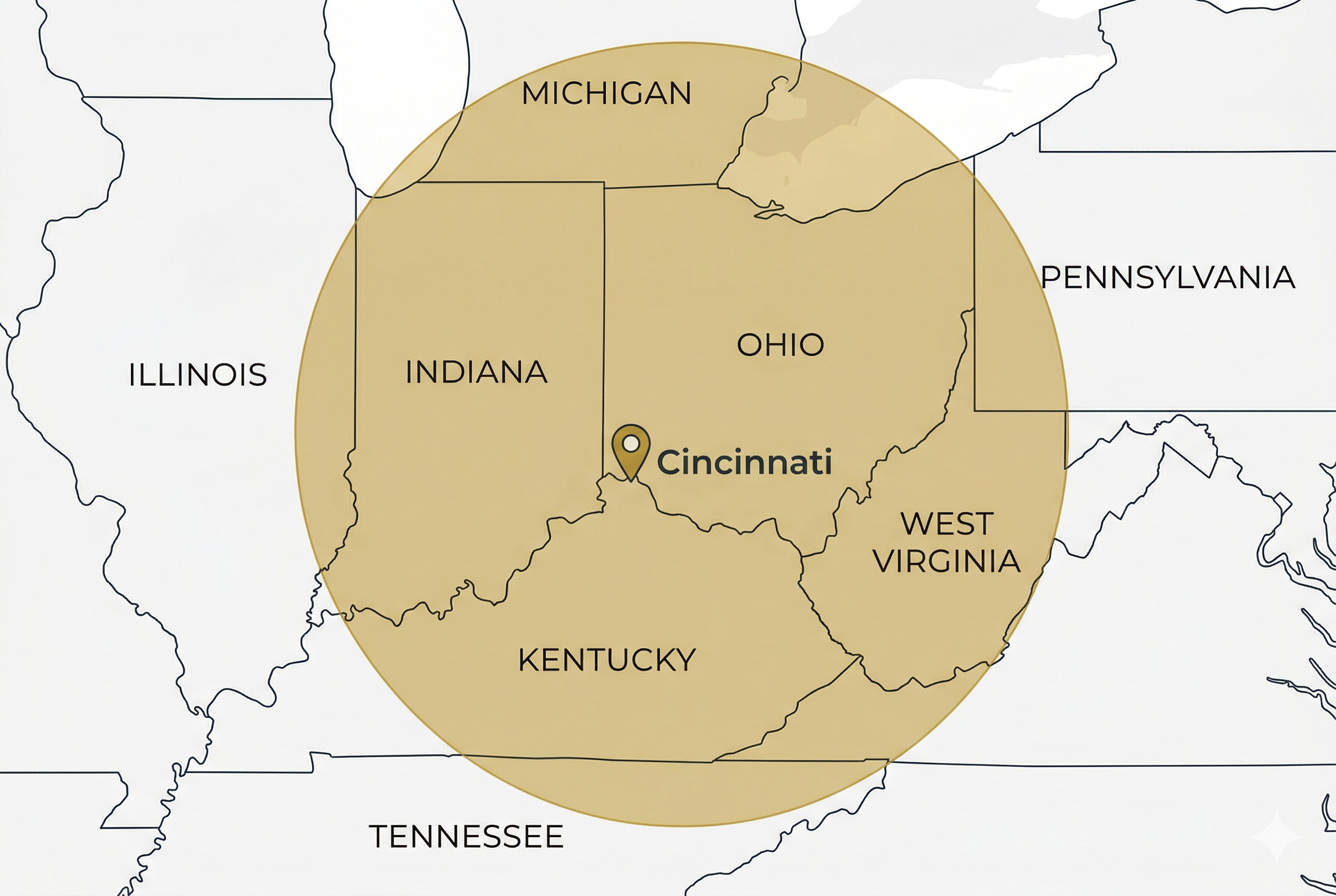
If you need a University of Cincinnati Title IX lawyer who knows the ARC hearing process, Doe v. UC precedent, and how UC builds its case files, Mark Wieczorek’s prosecutorial background and UC-specific case results give Respondents a real defense, not a procedural footnote. Mark Wieczorek also represents students and faculty facing Title IX investigations at Ohio State University, the University of Dayton, Miami University, Xavier University, the University of Louisville, Indiana University, the University of Illinois, Ohio University, the University of Michigan, Purdue University, Michigan State University, Penn State University, University of Tennessee, and Notre Dame. Each university has its own Title IX procedures, hearing formats, and institutional culture. Mark tailors his defense strategy to the specific school and its process.
Do Not Wait. Contact a UC Title IX Attorney Now.
UC’s Title IX process begins the moment a report is filed. Within 48 hours, the university is already reaching out to the complainant. Within days, they will contact you. Everything you say and do from that point forward becomes part of the record.
If you are a student, faculty member, or staff member at the University of Cincinnati facing a Title IX investigation, call Mark Wieczorek before you attend any meetings, respond to any emails, or make any statements.